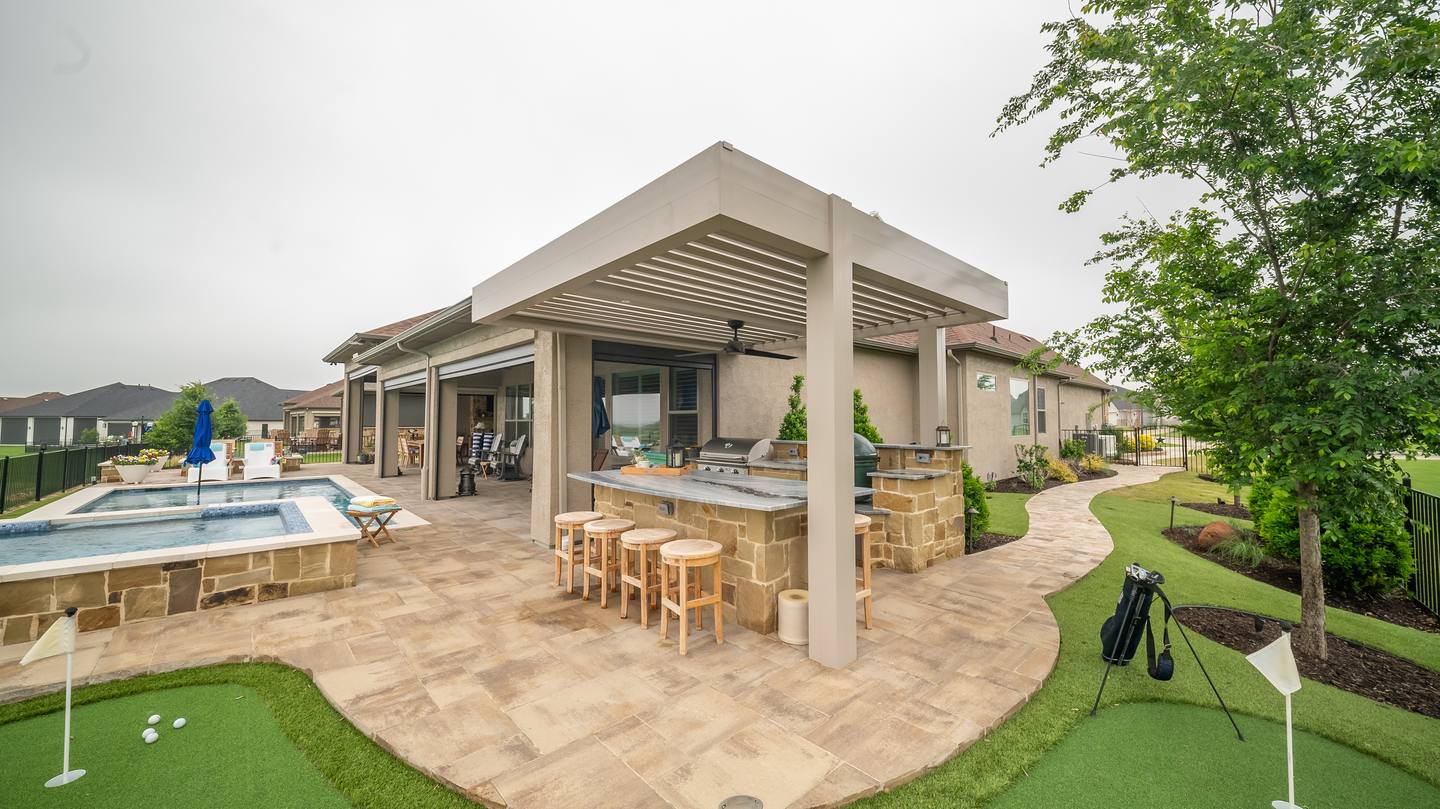
Best Patio Cover for Texas Weather: Aluminum vs. Wood vs. Vinyl
Texas heat, UV exposure, severe storms, and humidity are brutal on outdoor structures. Here’s what actually holds up — and what doesn’t.
Why Texas Is Hard on Patio Covers
Texas weather doesn’t compromise. DFW averages 100+ days above 90°F every summer. UV index regularly hits 11+ — the highest rating. Hailstorms, 70+ mph wind gusts, and sudden downpours are facts of life from spring through fall. North Texas humidity accelerates wood rot and metal corrosion faster than most parts of the country. A patio cover that performs in Seattle or Phoenix may fail in DFW within 5 years.
Here’s what the three main material categories actually do under Texas conditions.
Aluminum Patio Covers
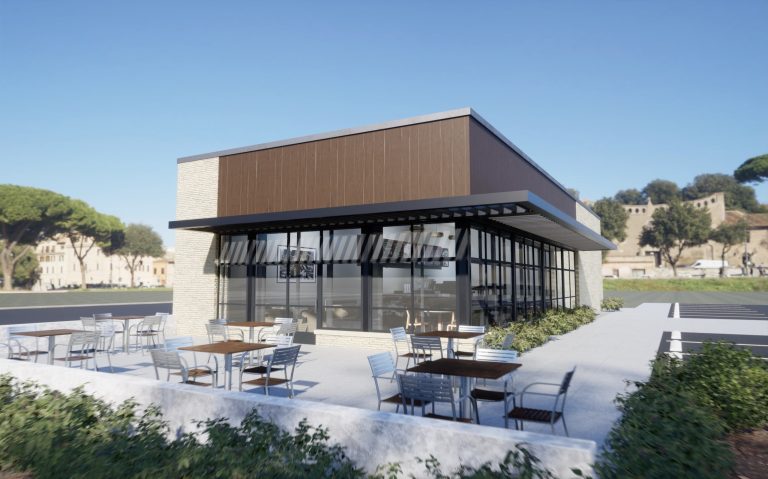
Aluminum is the material built for Texas. It doesn’t rot, warp, rust, or fade under UV. Powder coat finishes hold their color for 20+ years without repainting. Structural aluminum is rated for wind loads that exceed Texas building code requirements for most municipalities.
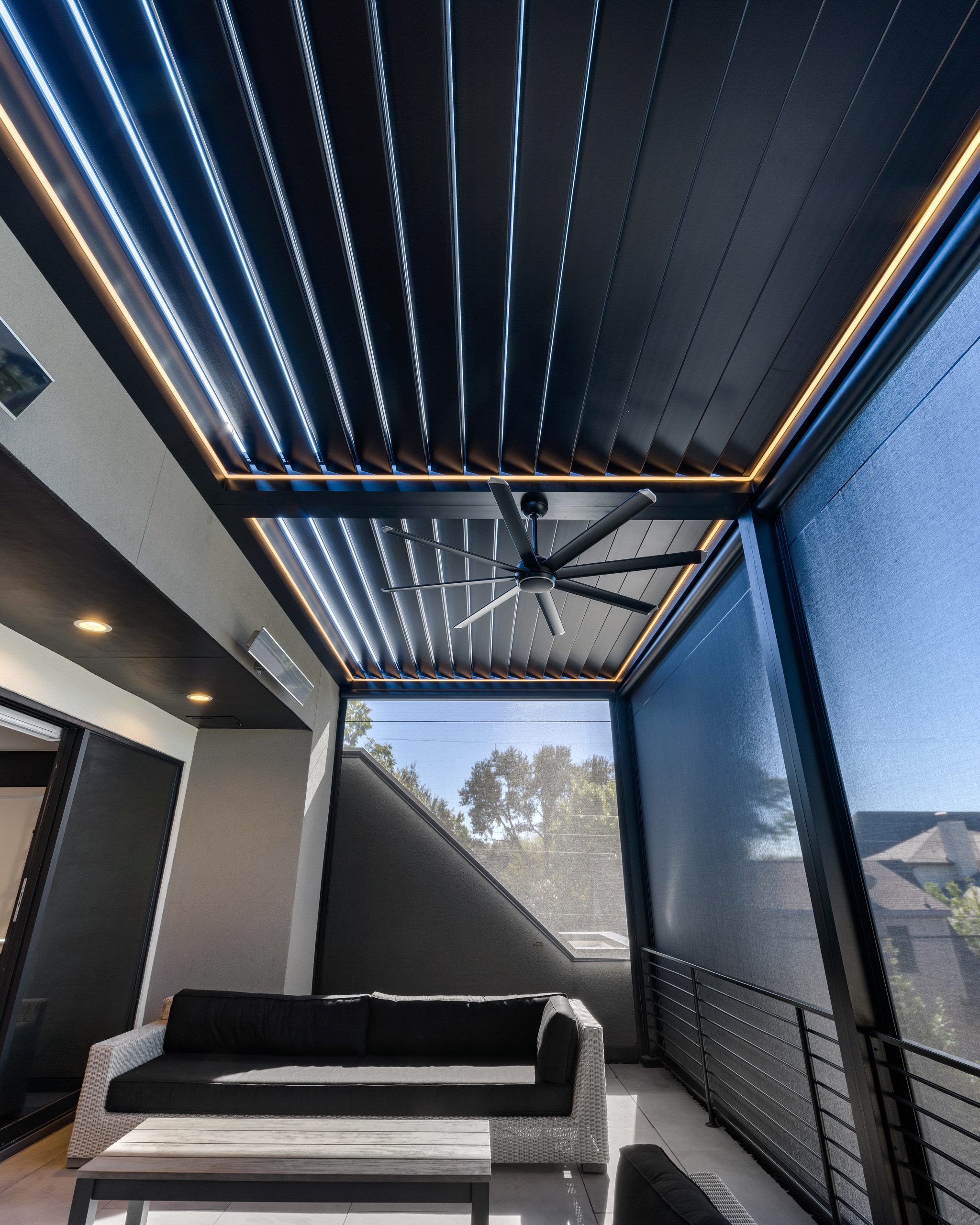
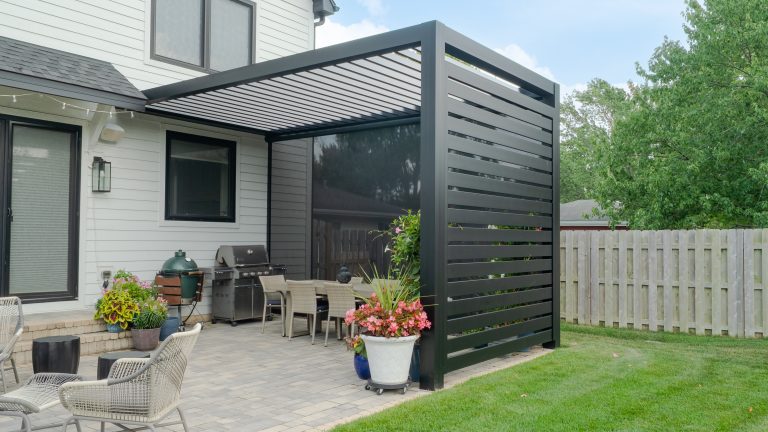
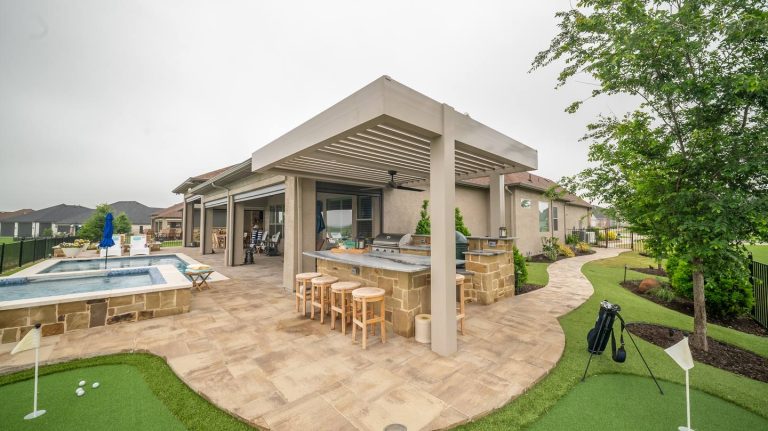
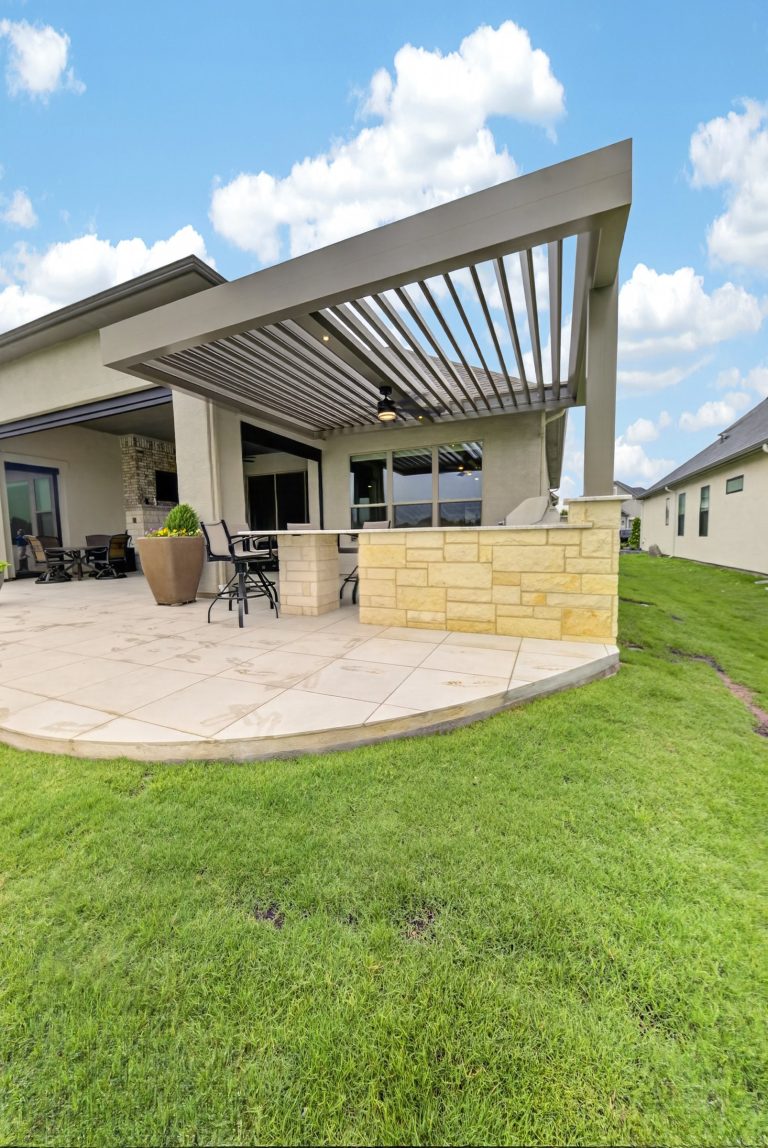
The downside: aluminum conducts heat, so a solid roof without ventilation can radiate warmth into your space on hot afternoons. A louvered aluminum roof solves this — open the blades and heat escapes. A solid cover with a ceiling fan works equally well.
✦ Best for Texas: Zero maintenance, 25–50+ year lifespan, engineered for wind and hail.
Wood Patio Covers
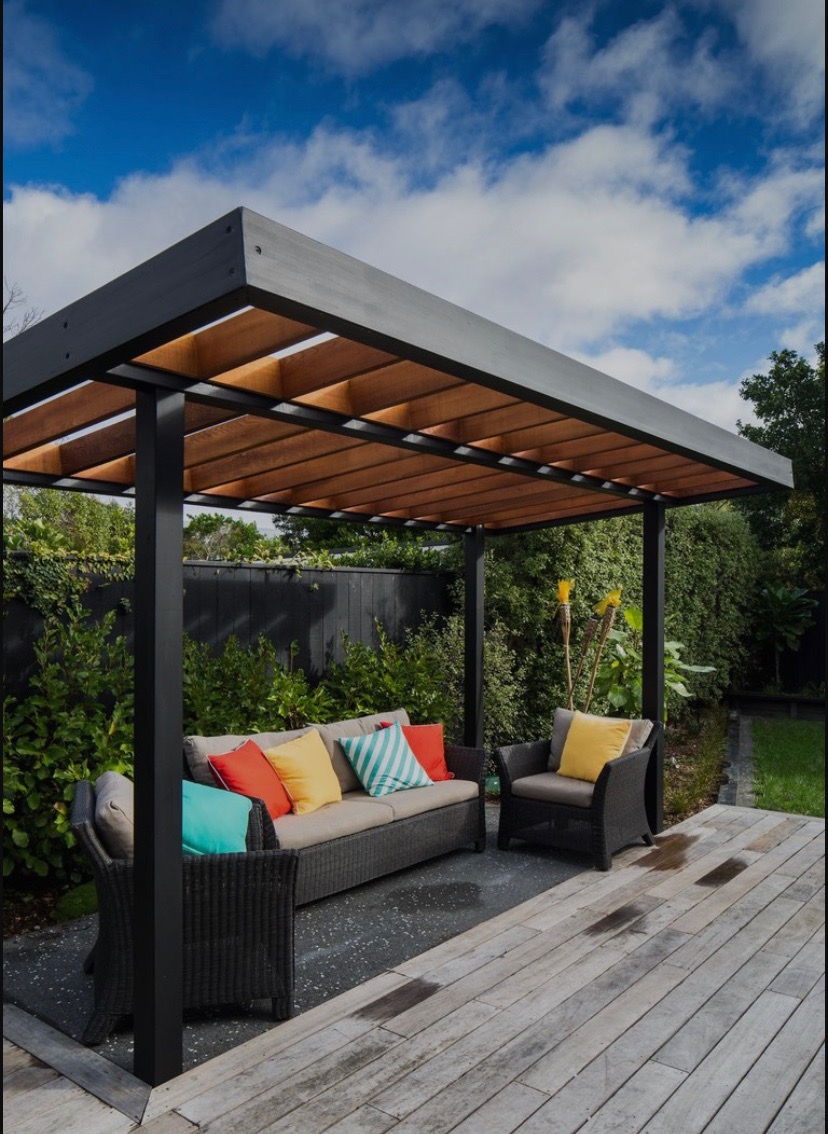
Wood pergolas look great in photos. In Texas, they’re a maintenance obligation. Cedar and redwood hold up reasonably well for about 10–15 years with annual sealing and staining. Pressure-treated pine degrades faster under DFW UV. Any untreated or poorly maintained wood will crack, warp, and gray within 3–5 years in North Texas sun.
Termites are a real concern across DFW and especially in Austin, which has some of the highest termite pressure in the state.
✦ Use with caution: Viable if maintained annually, but the ongoing effort and cost add up.
Vinyl Patio Covers
Vinyl covers are low-maintenance in mild climates. In Texas, UV exposure causes vinyl to yellow, chalk, and become brittle over time. Most vinyl systems are not engineered for Texas wind loads. A hailstorm that dents aluminum will crack vinyl.
✦ Not recommended for Texas: UV degradation, limited wind resistance, and poor hail performance make vinyl a costly long-term mistake in DFW and Austin conditions.
Side-by-Side Comparison
| Feature | Aluminum | Wood | Vinyl |
|---|---|---|---|
| Lifespan (Texas) | 25–50+ years | 10–20 years | 8–15 years |
| Maintenance | None | Annual sealing/staining | Low (until UV hits) |
| UV resistance | Excellent (powder coat) | Poor without treatment | Poor — yellows, chalks |
| Wind rating | 100+ mph engineered | Varies, typically lower | Not wind-rated |
| Hail resistance | High | Medium | Low — cracks |
| Termite risk | None | Yes | None |
Which Aluminum Option Is Right for You?
- ✦Motorized Louvered Roof — Adjustable aluminum blades that open and close on demand. Best for buyers who want full flexibility — open sky to complete rain coverage at the touch of a button. The premium option.
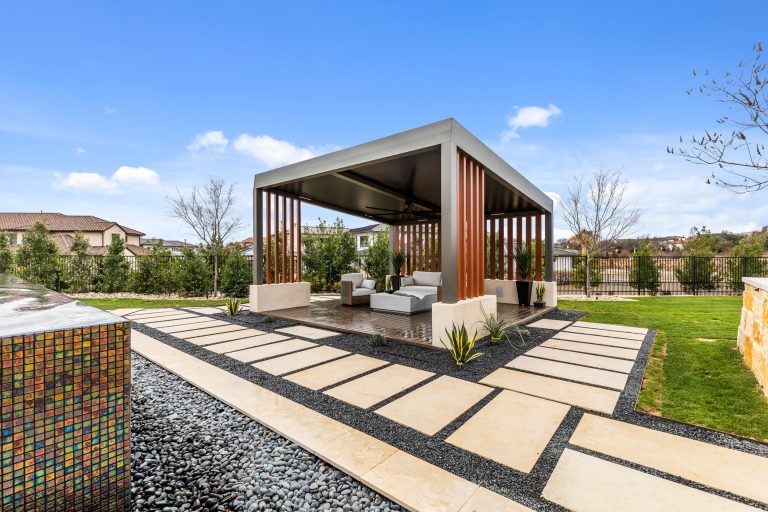
- ✦Contemporary Solid Patio Cover — Fixed aluminum roof with a clean modern profile. Full shade and rain protection with no moving parts. More economical than louvered, same structural durability.
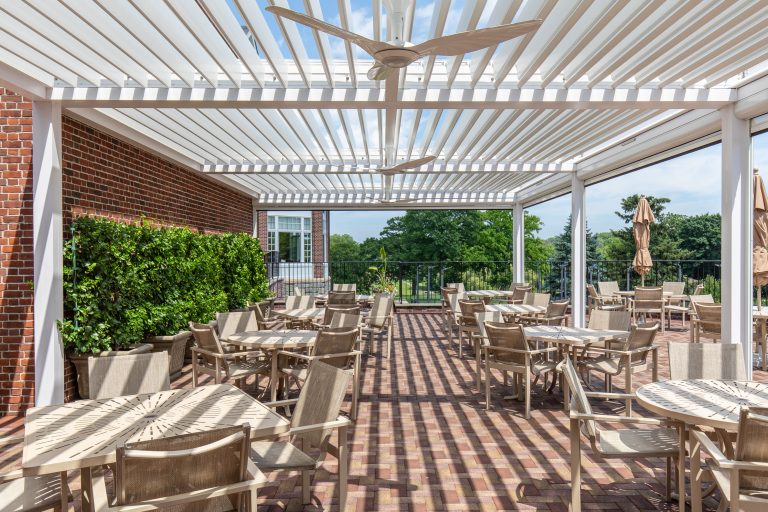
- ✦Fixed Slat Pergola — Permanent aluminum slats at a fixed angle. Partial shade, architectural detail, lowest cost of the aluminum options. Best for buyers who want the look without full rain coverage.
Ready to Transform Your Outdoor Space?
Keep Reading