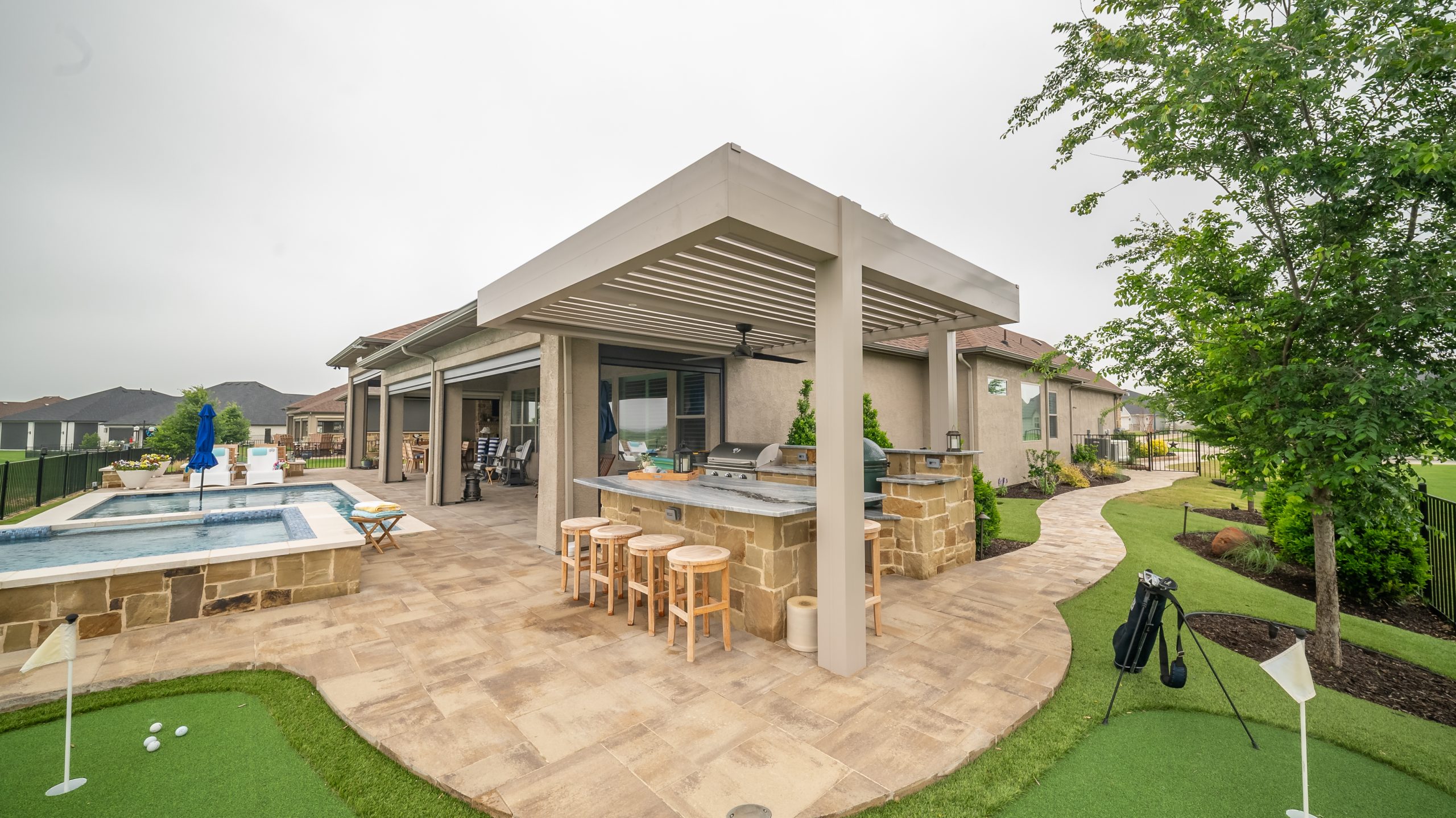
The Best Pergola Styles for Modern Texas Homes
Texas outdoor living has evolved. If you are building or upgrading your backyard in DFW, Austin, or Southern Oklahoma, the pergola you choose says a lot about how you live. Today’s homeowners want structures that are visually sharp, built to survive Texas summers, and made to last for decades, not just a few seasons.
Here is a straightforward guide to the most popular pergola styles for modern Texas homes, what makes each one work, and how to figure out which fits your property.
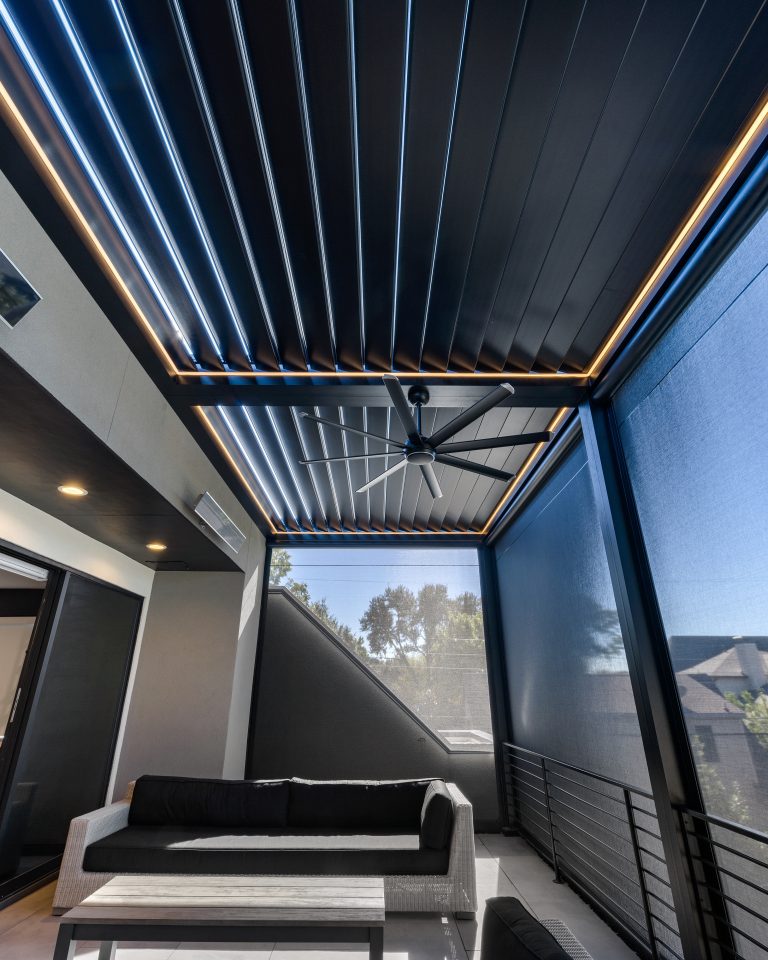
1. The Louvered Pergola: Adjustable, Engineered, and Year-Round Ready
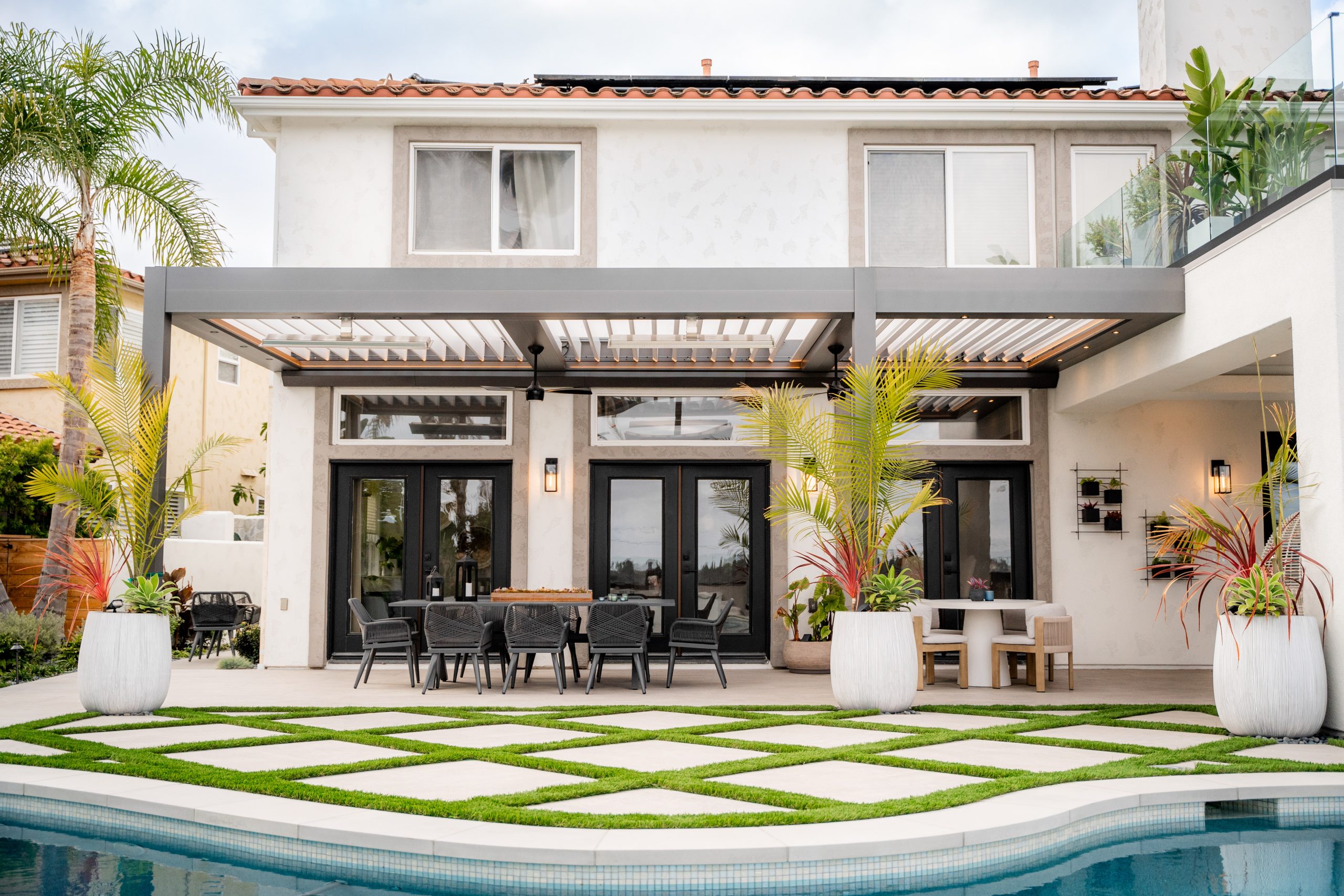
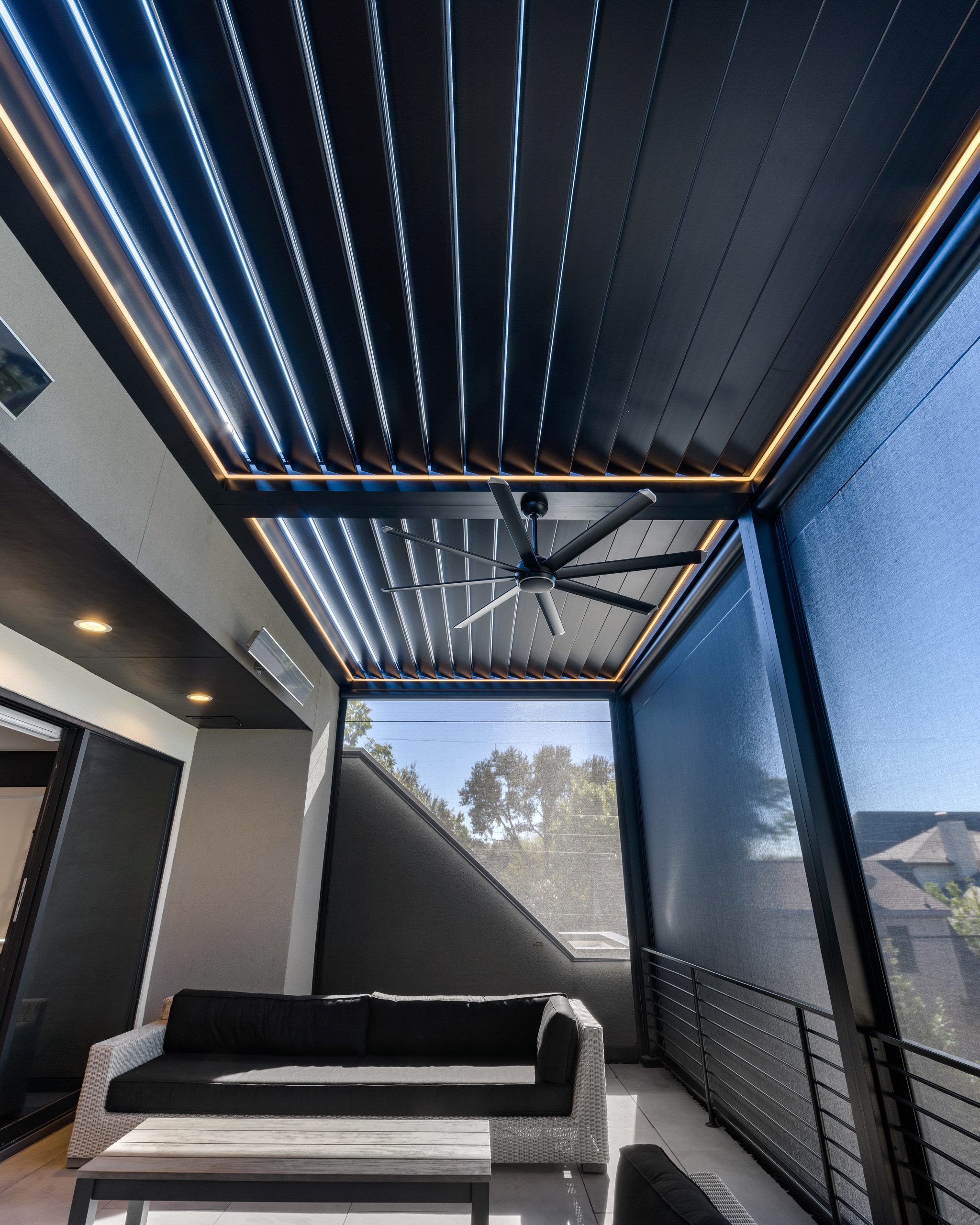
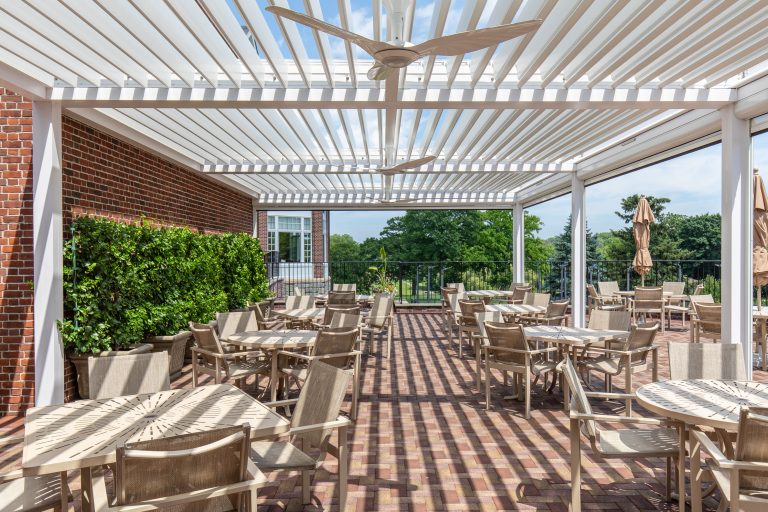
Motorized louvered pergolas have become the top choice for Texas homeowners who want serious control over their outdoor space. With angled aluminum louvers that rotate on demand, you can go from full sun to full shade to fully closed for rain with a remote or smartphone app.
What makes them ideal for Texas:
- Louvers angle to block the intense afternoon western sun that hammers DFW patios from May through October
- Close fully during summer storms without losing your furniture or cushions
- Open wide on those perfect fall and spring days when you want clear sky overhead
- Commercial-grade aluminum construction handles high winds and hail far better than fabric alternatives
This style pairs especially well with modern and contemporary home architecture. Clean lines, flat profiles, and powder-coated finishes in white, bronze, or charcoal complement both new builds and remodels.
Explore CT’s motorized louvered pergola if you want the most versatile outdoor structure available.
2. The Fixed Slat Pergola: Minimal, Architectural, Always On
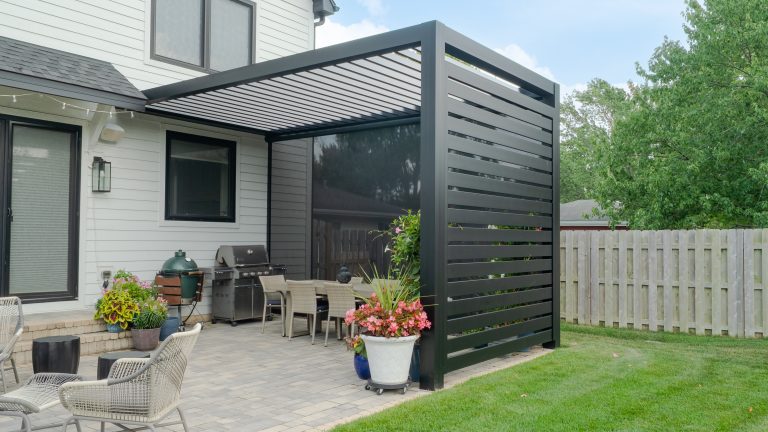
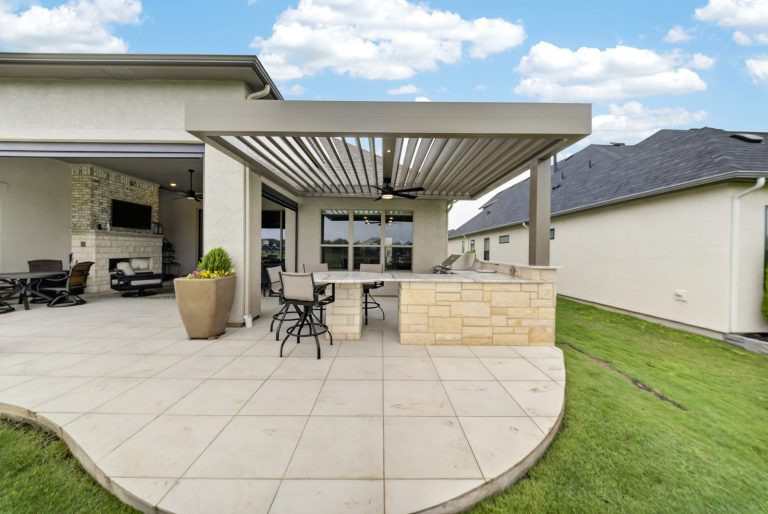
If you like the clean overhead grid of a pergola but do not need movable louvers, a fixed slat pergola delivers that architectural look at a lower profile. The horizontal aluminum slats run parallel across the top of the frame, casting striped shade and defining the outdoor room without blocking all the sky.
This style works best when:
- Your patio faces north or northeast and does not take direct afternoon sun
- You want overhead definition and a sense of enclosure without a solid roof
- You are adding structure to a covered outdoor kitchen area or seating zone
- Your home has a contemporary or transitional design where a busy roof would feel too heavy
Fixed slat pergolas are also a smart choice for pool-adjacent areas where you want filtered light over the water without full shade. They are built entirely in aluminum, so rust and rot are never a concern in our humid Texas springs.
3. The Solid Patio Cover: Full Shade, Maximum Protection
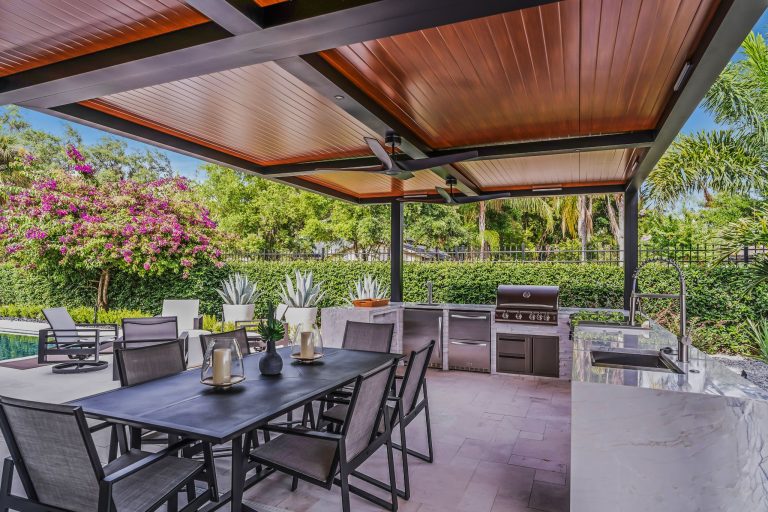
Some Texas homeowners do not want filtered shade. They want real protection. A solid aluminum patio cover delivers full coverage from the sun and rain, essentially extending the footprint of your home into the backyard.
When a solid cover makes more sense than a pergola:
- You have an outdoor kitchen and need full rain protection for the grill, counters, and appliances
- You want to use the space year-round, including during the unpredictable spring storm season in North Texas
- Your home’s rear elevation gets direct western sun and partial shade will not cut it
- You are building a larger entertainment structure over a concrete slab
Modern patio covers in DFW and Austin are no longer the old corrugated aluminum eyesores. Today’s aluminum cover systems are architectural, low-profile, and designed to complement the roofline of the house rather than fight it.
4. The Cabana: Defined Space, Resort-Level Presence
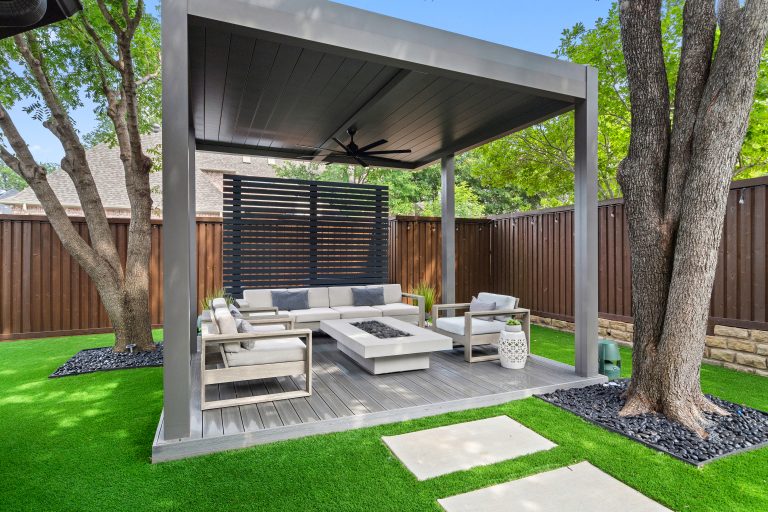
For homeowners with pools or a large open yard, a freestanding cabana creates an entirely new space rather than just extending the existing patio. Think of it as an outdoor room with its own footprint, its own identity, and its own function.
DFW and Austin homeowners are building custom aluminum cabanas for:
- Poolside shade structures for seating and towel storage
- HOA amenity centers and club pool upgrades
- Backyard entertainment hubs with overhead shade, privacy panels, and lighting
- Commercial hospitality applications at restaurants, hotels, and apartment complexes
Because cabanas are freestanding, they are not limited by the footprint of your home. They can go wherever the landscape calls for it by the pool, at the back of the property, or anchored to a separate concrete pad away from the main structure.
How to Choose the Right Style for Your Texas Home
Picking the right pergola style comes down to three questions:
- How much sun does your patio get? Western exposure in Texas is brutal. If your patio bakes from 2 to 7pm, you need full coverage or a louvered system. Fixed slats alone will not save you.
- How do you use the space? Cooking outdoors demands rain protection. Casual seating might be fine with a fixed slat. Pools often benefit from a freestanding cabana.
- What is the architectural style of your home? A contemporary flat-roof home wants clean aluminum lines. A transitional home can go either way. A traditional home may need a more detailed beam profile.
Getting the answers right before you build saves you from structures that look wrong, wear out too fast, or do not actually solve the shade problem they were supposed to address.
Frequently Asked Questions
What pergola style is most popular for modern DFW homes right now?
Motorized louvered pergolas lead the pack for new construction and high-end remodels in the DFW area. They offer the most flexibility for Texas weather, which can swing from over 100 degrees in August to cold fronts in October. Fixed slat pergolas are the second most popular for budget-conscious builds that still want an architectural look.
Are aluminum pergolas good for Texas weather?
Aluminum is the best material for Texas outdoor structures. It will not rust in humid spring conditions, will not warp or crack in the summer heat, does not need staining or sealing, and holds up against hail and high winds far better than wood. All CT structures are built from commercial-grade aluminum, not residential-grade kit parts.
Do I need a permit to build a pergola in DFW or Austin?
In most DFW and Austin municipalities, freestanding structures over a certain square footage require a permit. Attached structures almost always require one. The exact threshold varies by city. Frisco, Plano, and Austin all have different rules. We handle the permitting research for every project as part of the build process.
Can a pergola be attached to my house?
Yes. Most of the pergolas and patio covers we install in DFW and Austin are attached directly to the home’s fascia or ledger board. Freestanding options are also available when the layout calls for it. The structural approach depends on the load, span, and attachment point, something we assess during the design phase.
How long does a custom pergola installation take in Texas?
Most residential pergola installs in DFW and Austin run one to three days once materials are on-site. The full timeline from initial quote to completed install typically ranges from three to six weeks depending on design complexity, permitting, and current schedule. Larger commercial builds take longer and are scoped individually.
Ready to Build? Let’s Talk About Your Backyard.
Every home is different. Our team works with DFW, Austin, and Southern Oklahoma homeowners to design structures that fit your property, your style, and the way you actually live outside.
Get Your Free QuoteReady to Transform Your Outdoor Space?
Keep Reading