Why Aluminum Beats Wood for Texas Pergolas
If you’re planning a pergola for your DFW or Austin backyard, one of the first decisions you’ll face is what material to use. Wood has a classic appeal — there’s no denying it. But after years of Texas summers, storms, and humidity swings, most homeowners who choose wood wish they had gone aluminum. Here’s why aluminum comes out on top for the Texas climate, and why Cabana Theory builds exclusively with it.
Texas Weather Is Hard on Wood
Texas doesn’t do mild. DFW homeowners deal with blistering summers that push temperatures past 110°F, spring hailstorms, occasional ice events, and everything in between. Austin adds humidity to that equation. Wood simply wasn’t designed to withstand those extremes without significant maintenance.
Untreated wood warps, cracks, and splinters in intense heat. Even pressure-treated lumber starts to show its age after a few Texas summers — fading, checking along the grain, and losing structural integrity faster than expected. You’ll find yourself sanding, staining, or sealing every one to two years just to keep it looking decent.
Aluminum doesn’t care about heat or humidity. It won’t warp, rot, split, or absorb moisture. A properly powder-coated aluminum pergola in DFW looks essentially the same in year ten as it did on installation day.
Maintenance: A Real Cost Most Homeowners Underestimate
The ongoing maintenance cost of a wood pergola adds up fast. Deck stain, sealers, sandpaper, brushes, and the time to do the work every year or two — it’s not trivial. If you hire it out, it’s even less trivial.
Aluminum requires essentially zero maintenance. The powder coat finish is baked on at the factory, not painted over bare metal. It won’t peel, chip, or fade under UV exposure the way exterior paints do. A quick rinse with a garden hose once in a while is all it needs.
For busy homeowners in Frisco, Prosper, or the Austin suburbs, that time savings alone is worth the upgrade.
Structural Performance and Wind Ratings
Texas wind is no joke. DFW sits in a region that sees straight-line winds from thunderstorm outflows that can gust past 70 mph. Southern Oklahoma deals with similar conditions. Wood pergolas — especially those built with post-and-beam lumber — can rack, twist, or even collapse under severe wind loads if they’re not engineered properly.
Commercial-grade aluminum extrusions like those used in motorized louvered pergola systems are engineered for specific wind-load ratings. The aluminum frame is inherently rigid without relying on wood joinery (which loosens over time), and the connections are mechanical hardware — not nails or screws driven into grain that eventually wicks moisture and pulls out.
When you’re investing in a permanent outdoor structure for your home, engineered aluminum gives you documented performance data that wood simply can’t match.
Design Flexibility and Customization
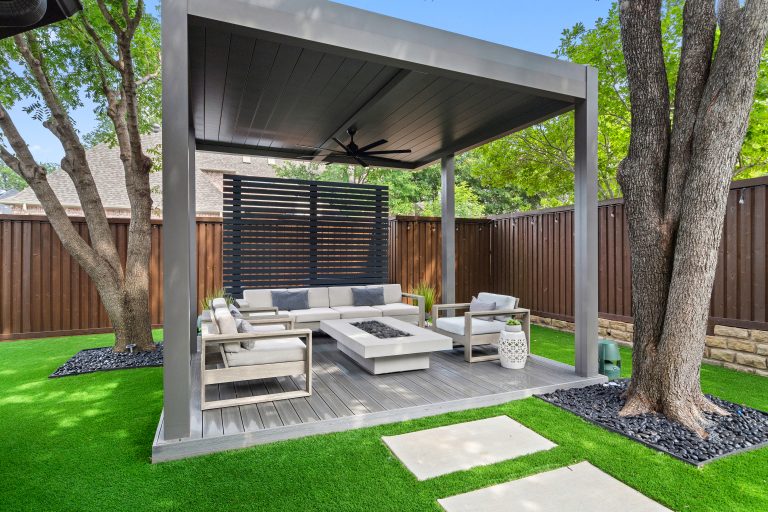
One of the misconceptions about aluminum is that it looks “industrial” or cold. Modern aluminum pergolas are anything but. Powder coat finishes are available in dozens of colors — from classic white and sand to dark bronze, charcoal, and even realistic wood-grain patterns that give you the aesthetic of wood without any of the maintenance headaches.
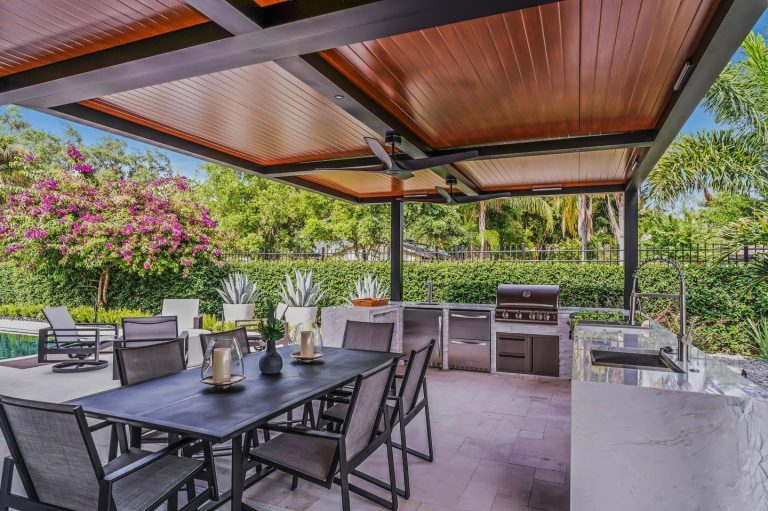
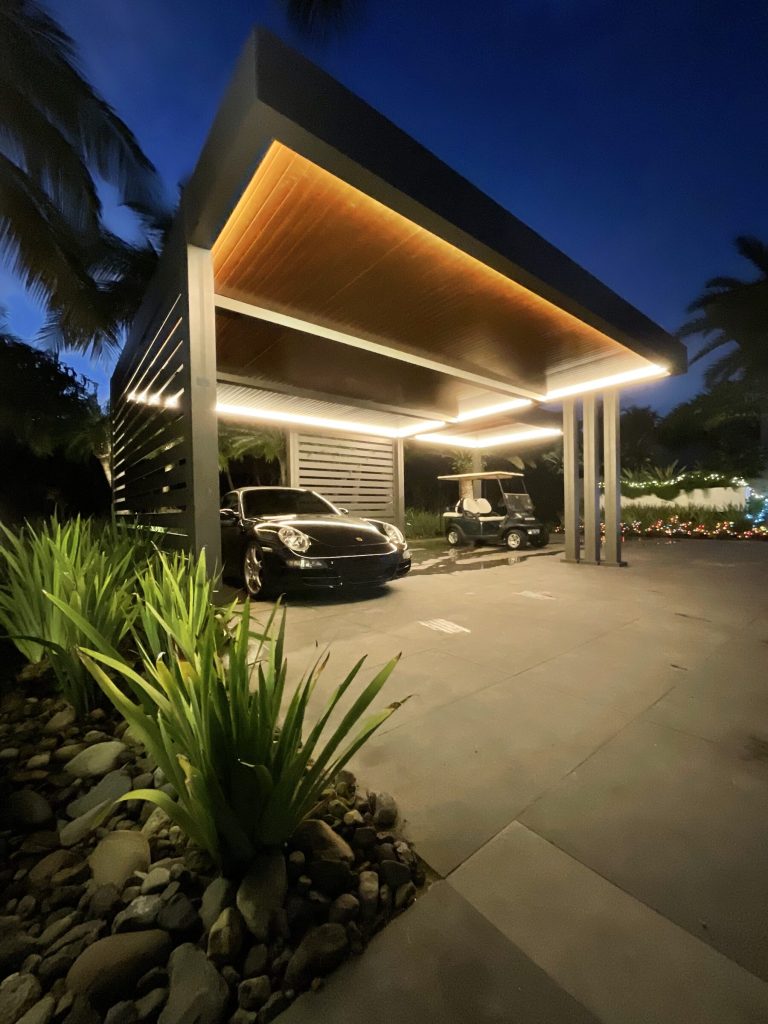
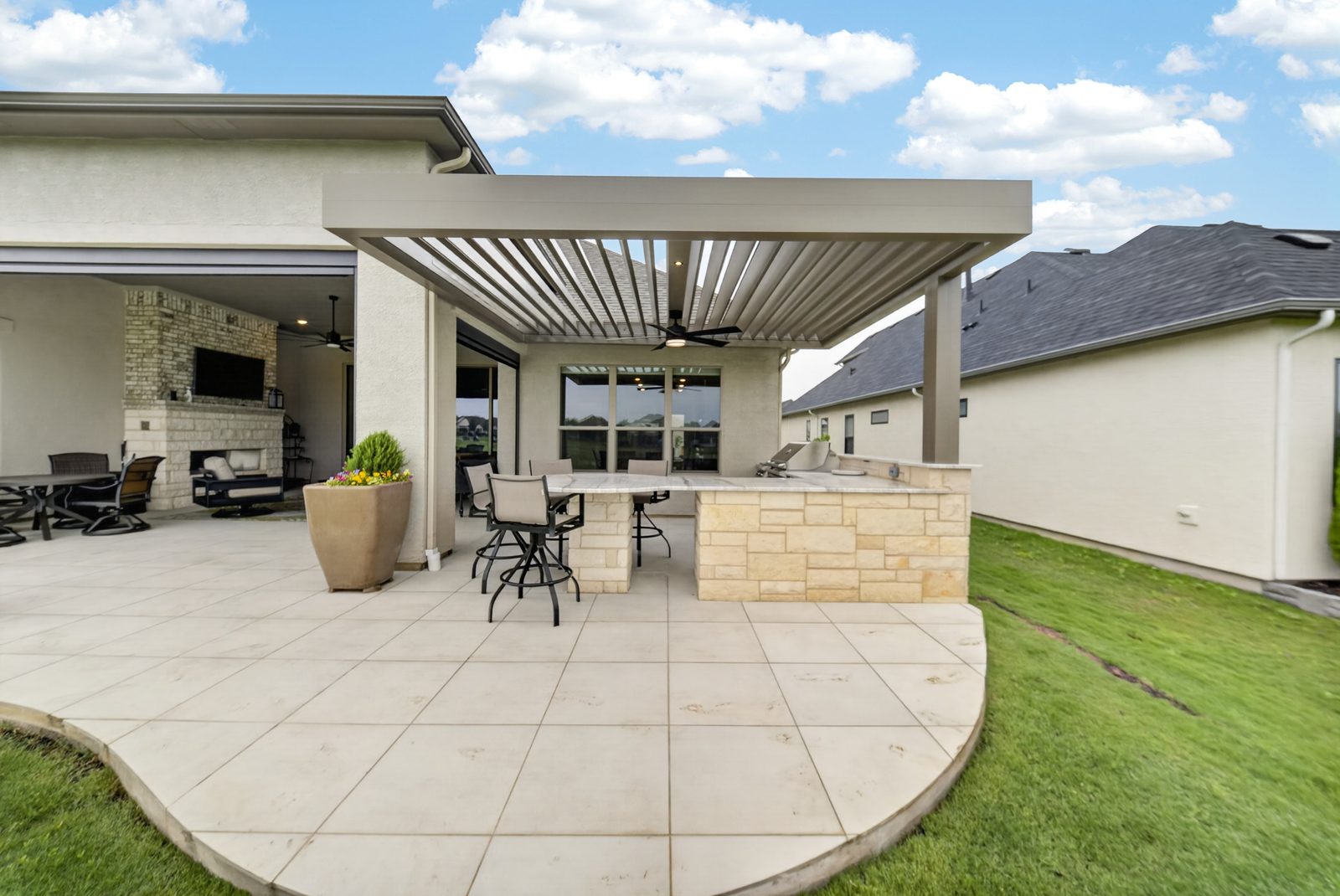
Aluminum also handles motorization far better than wood. If you want motorized louvers that open and close with a remote or smartphone app, built-in rain sensors, integrated LED strip lighting, or ceiling fans — those accessories are designed around aluminum framing systems. Retrofitting a wood pergola with motorized components is awkward and rarely looks clean.
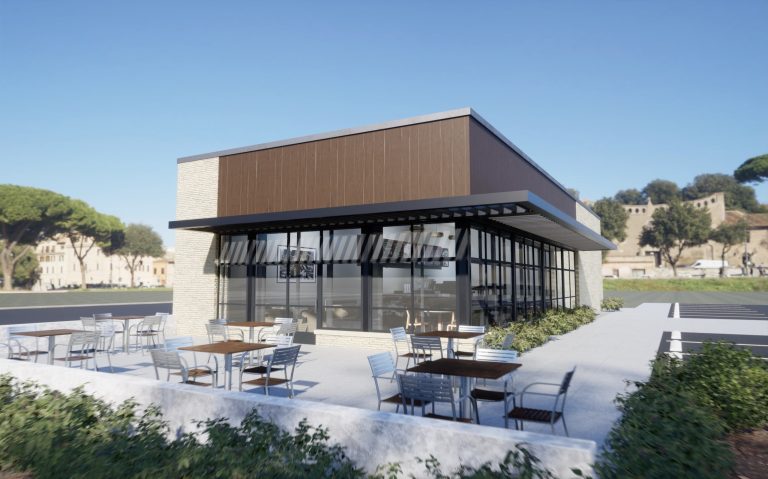
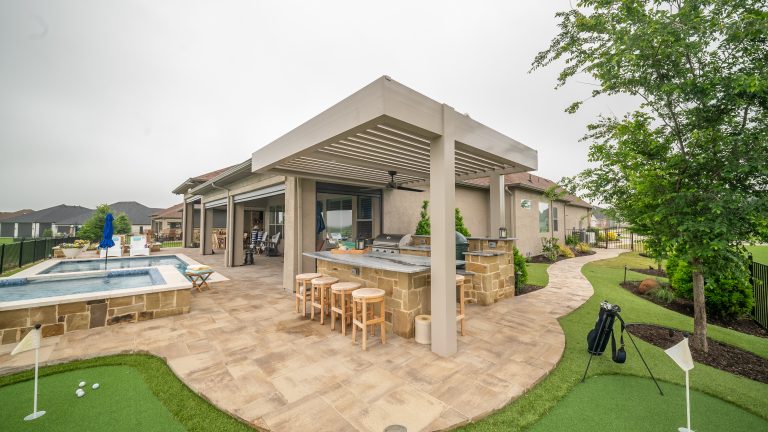
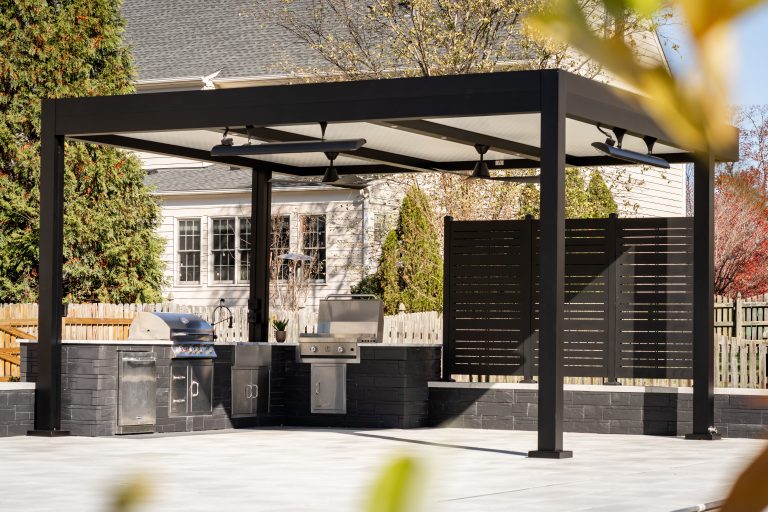
CT’s contemporary patio cover systems are a great example of how aluminum allows for clean, modern lines that would be nearly impossible to achieve with standard lumber.
Longevity and Warranty
A wood pergola in Texas, well-maintained, might last 10–15 years before you’re looking at a full replacement. Aluminum? Cabana Theory backs our aluminum structures with a 15-year structural warranty. The material itself is essentially non-corrosive in Texas conditions, so the structure isn’t what will give out first.
When you factor in the zero-maintenance lifecycle and the warranty coverage, aluminum outperforms wood on total cost of ownership — not just upfront quality.
When Does Wood Still Make Sense?
To be fair: if you’re building a rustic, ranch-style pergola that you plan to replace in a decade, or if you’re doing a small DIY shade trellis over a garden bed, wood can work. But for a permanent, investment-grade outdoor structure attached to your home — the kind you’ll show off in every backyard gathering — aluminum wins on every metric that matters for Texas conditions.
Cabana Theory serves homeowners across DFW (Dallas, Fort Worth, Frisco, Plano, McKinney, Southlake, Prosper), Austin and the surrounding suburbs, and Southern Oklahoma. Every structure we build is aluminum — because we’ve seen what happens to wood in this climate, and we’re not going to build something you’ll regret.
Frequently Asked Questions
Does aluminum look as good as wood for a pergola?
Absolutely. Modern aluminum pergolas are available in dozens of powder coat colors, including realistic wood-grain finishes that are visually indistinguishable from real wood at normal viewing distance — with none of the maintenance. Many homeowners are surprised by how warm and natural aluminum can look once installed.
How long does an aluminum pergola last in Texas?
With proper installation, an aluminum pergola should last 20–30 years or more in Texas conditions. Cabana Theory backs our aluminum structures with a 15-year structural warranty. The powder coat finish typically holds up for 15+ years before any touch-up is needed, and even then it’s cosmetic rather than structural.
Can I add motorized features to an aluminum pergola?
Yes — and aluminum is the only practical material for motorized pergola systems. Motorized louvered roofs, automated rain sensors, integrated LED lighting, and ceiling fans are all designed around aluminum framing systems. Wood is rarely a viable substrate for these features.
Does aluminum pergola need a permit in DFW or Austin?
It depends on your city and the structure’s size. Most cities in DFW and Austin require a building permit for attached pergolas over a certain square footage. Cabana Theory handles all permit coordination for residential projects in our service area — you won’t have to navigate that process alone.
Does Cabana Theory serve areas outside DFW and Austin?
Cabana Theory installs residential pergolas and outdoor structures throughout DFW, the Austin metro, and Southern Oklahoma. If you’re outside those areas, give us a call — we can discuss your project and whether it falls within our service range.
Ready to Build Your Aluminum Pergola in DFW or Austin?
Cabana Theory designs and installs aluminum pergolas, patio covers, and motorized louvered roofs for homeowners across DFW, Austin, and Southern Oklahoma. Get started with a free quote — no pressure, no commitment.
Get a Free Quote