Pool Deck Shade Structures for DFW and Austin: What to Know Before You Buy
If you own a pool in the Dallas–Fort Worth area or Austin, TX, you already know the math: summer heat index routinely pushes past 105°F, UV exposure is relentless from May through September, and your pool deck can feel like a griddle by noon. A quality shade structure doesn’t just make your outdoor space more comfortable — it makes it genuinely usable for more of the year.
But choosing the right pool deck shade structure means thinking beyond a basic umbrella. The right solution depends on how you use your outdoor space, how much sun exposure your deck gets, and what you want your backyard to look like. This guide walks through your main options and what DFW and Austin homeowners should weigh before making a decision.
Why Pool Deck Shade Matters in Texas
Texas sun isn’t forgiving. Unshaded pool decks — especially concrete or pavers — absorb and radiate heat throughout the day, creating uncomfortable surfaces that can burn bare feet and drive guests indoors by early afternoon. Beyond comfort, prolonged UV exposure raises real health concerns for families spending extended time outdoors.
The right shade structure solves multiple problems at once: it creates a comfortable retreat adjacent to the water, defines the outdoor living space, protects furniture and finishes from sun damage, and adds genuine curb appeal and property value.
Your Main Options: From Simple to Serious
Pergolas
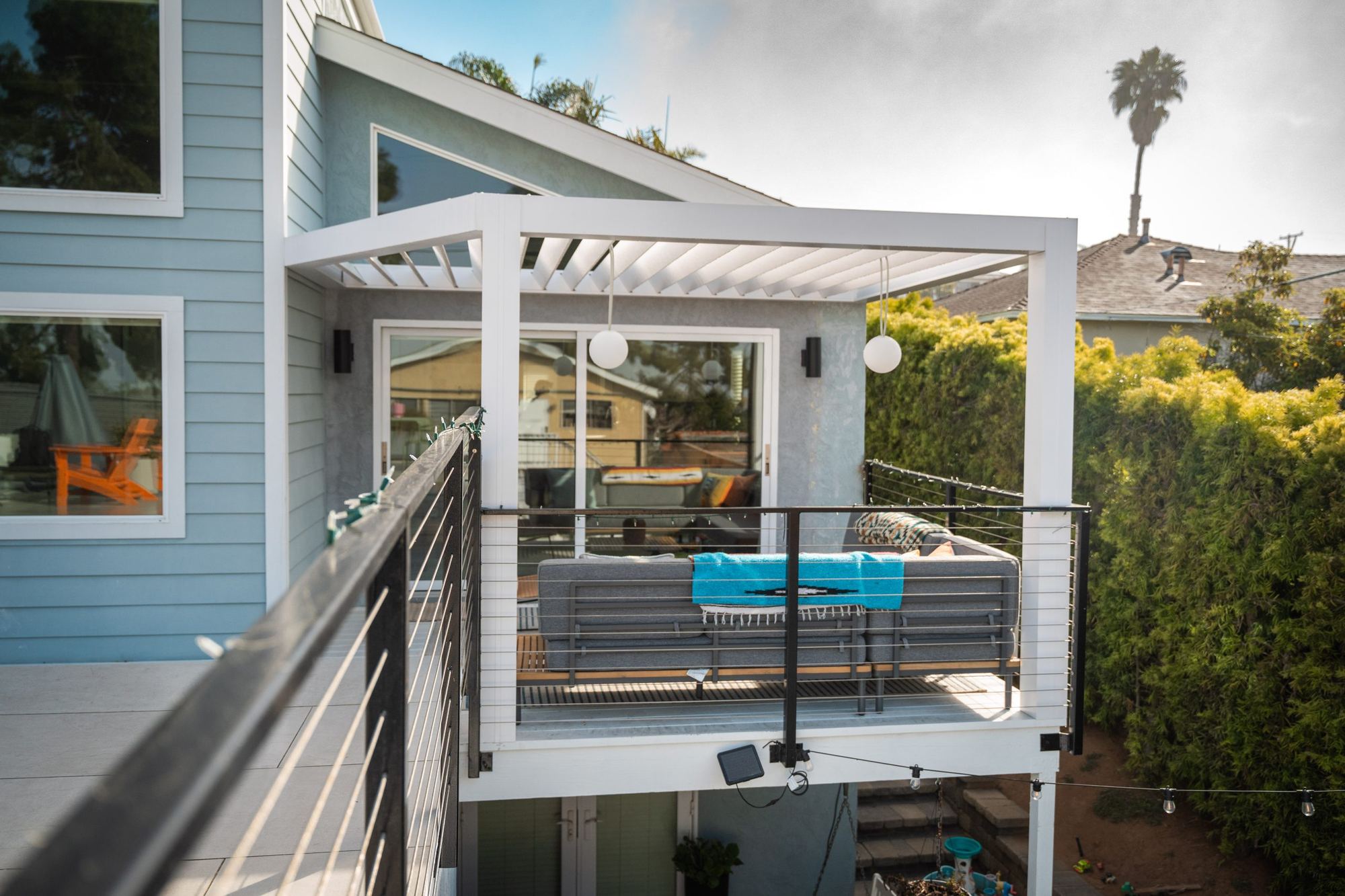
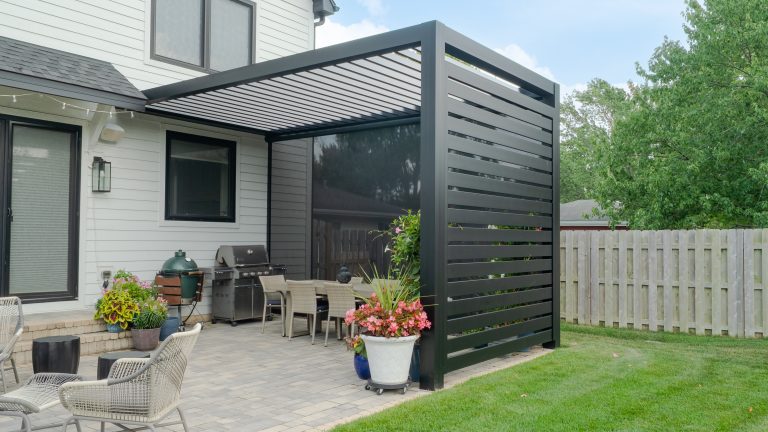
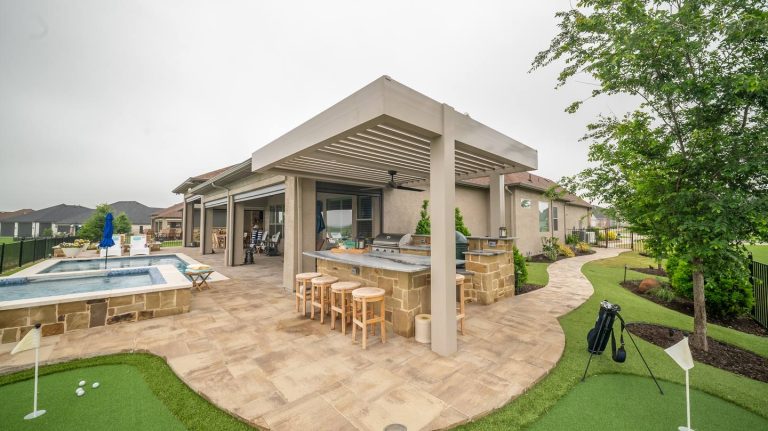
Pergolas are the most popular shade addition for residential pool decks in DFW and Austin. They define the poolside space architecturally, offer partial shade from overhead beams and cross-members, and create a natural spot for ceiling fans, string lights, and outdoor speakers. Aluminum pergolas are particularly well-suited to Texas conditions — they don’t rot, warp, or crack the way wood does under prolonged heat and occasional heavy rain.
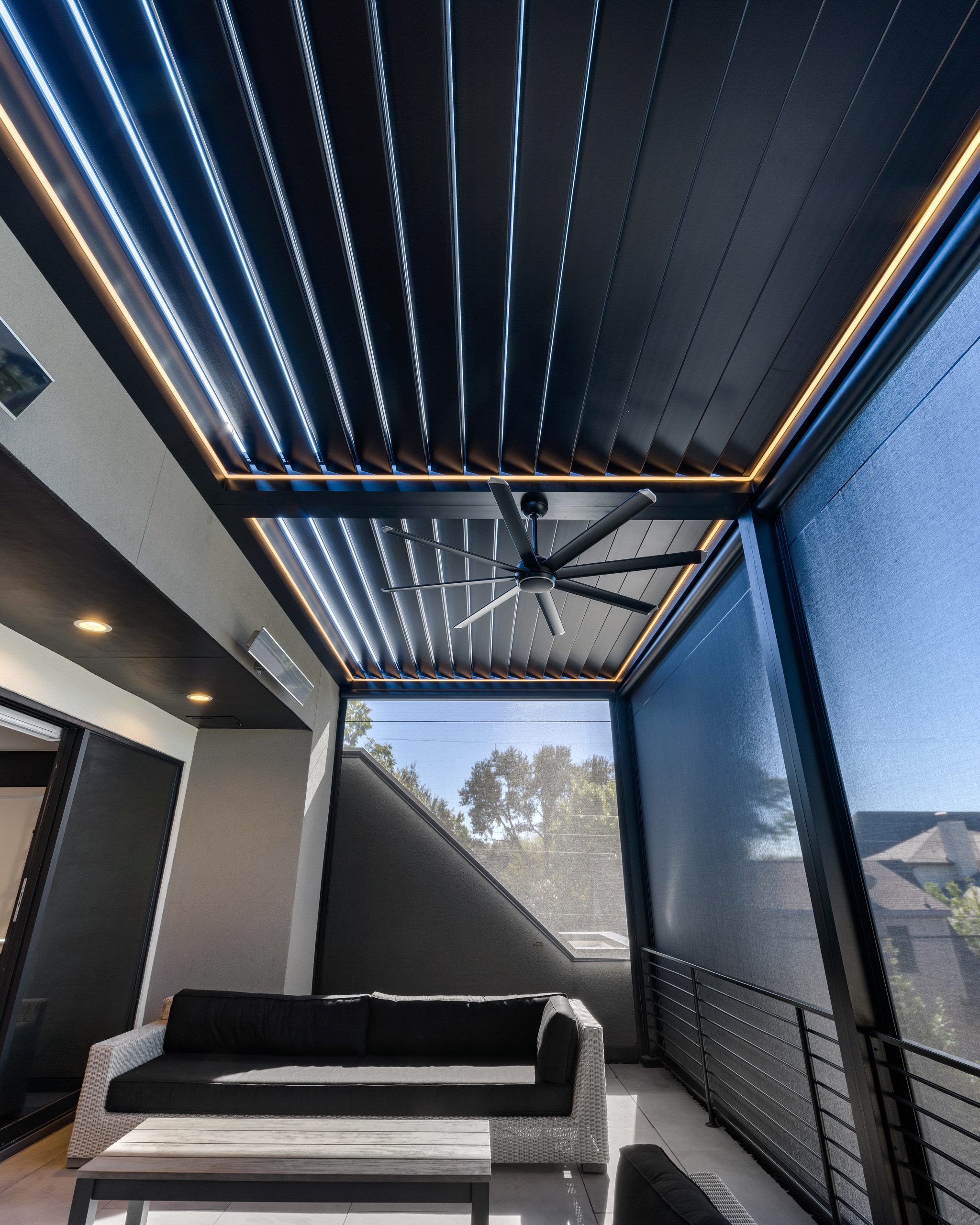
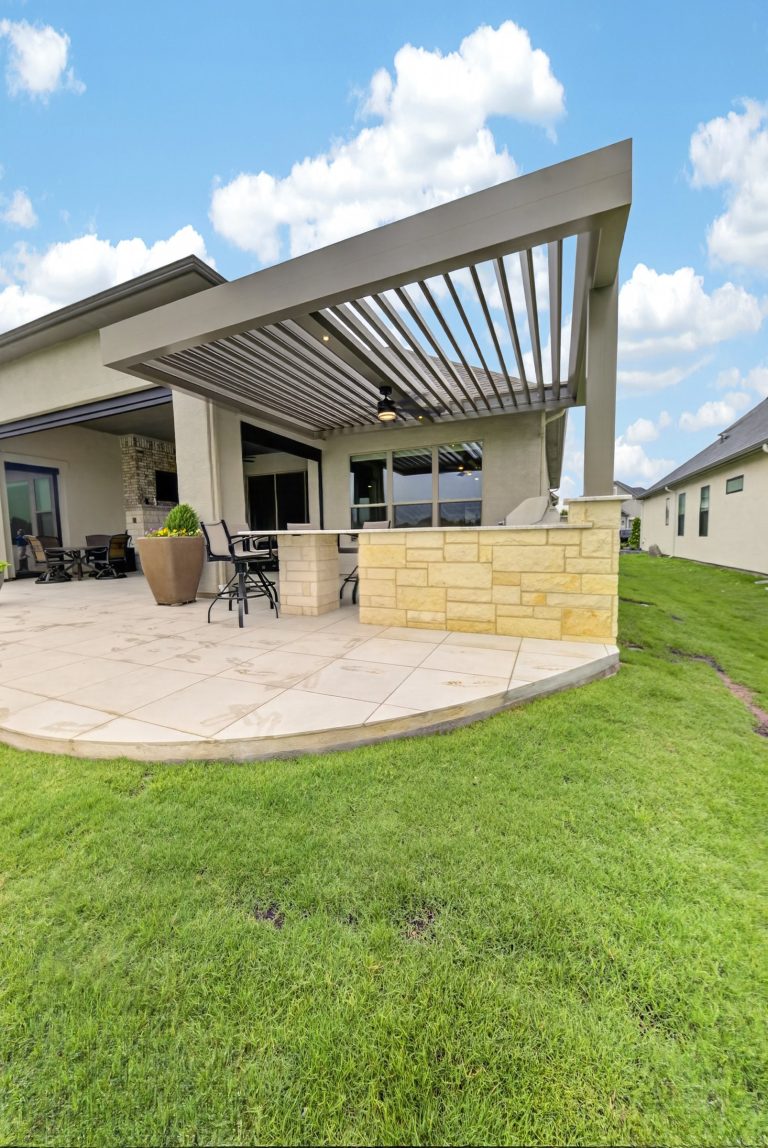
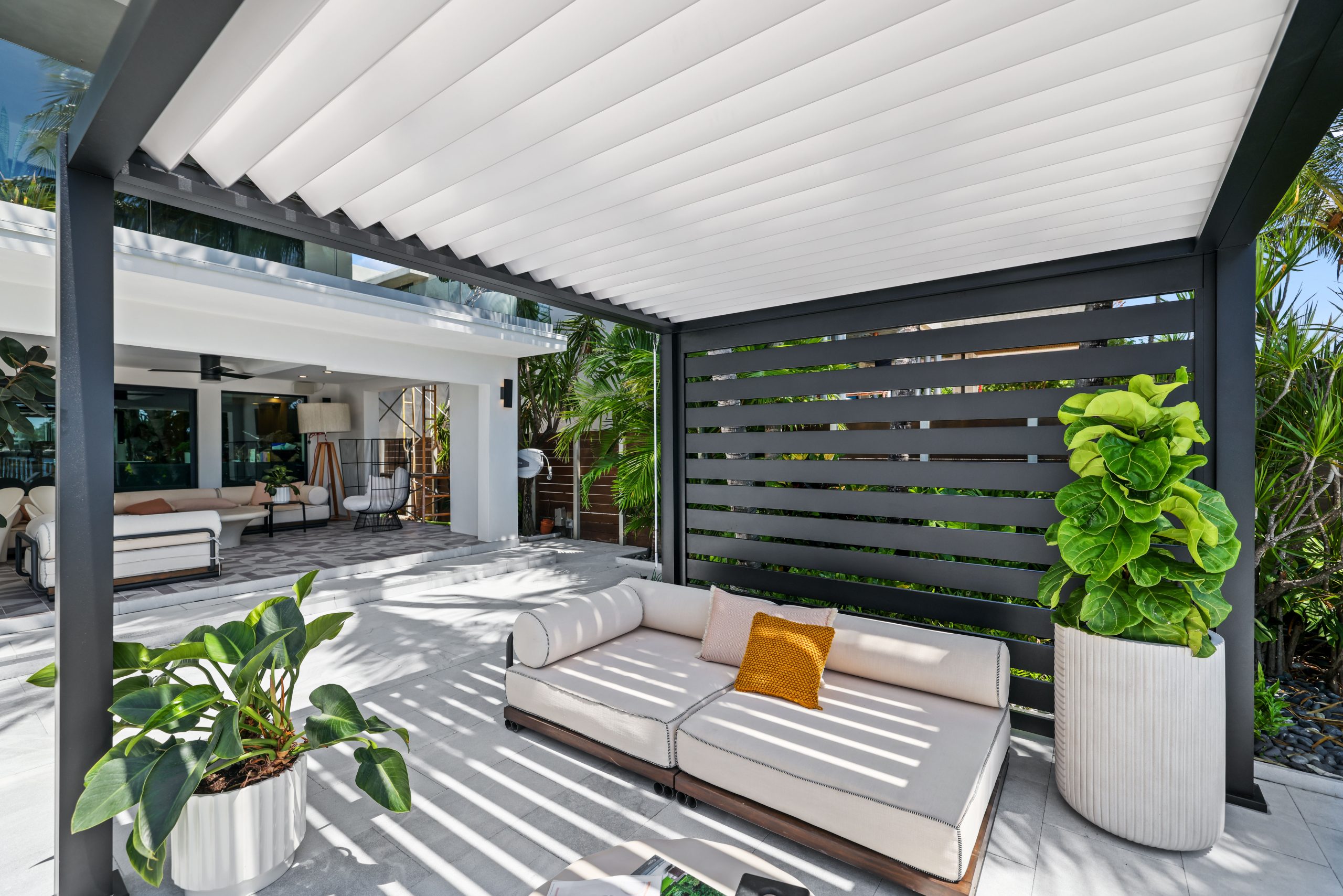
For full overhead coverage, a louvered roof pergola gives you adjustable slats you can angle to block direct sun at any time of day — or open fully to enjoy a clear sky at night.
Aluminum Patio Covers
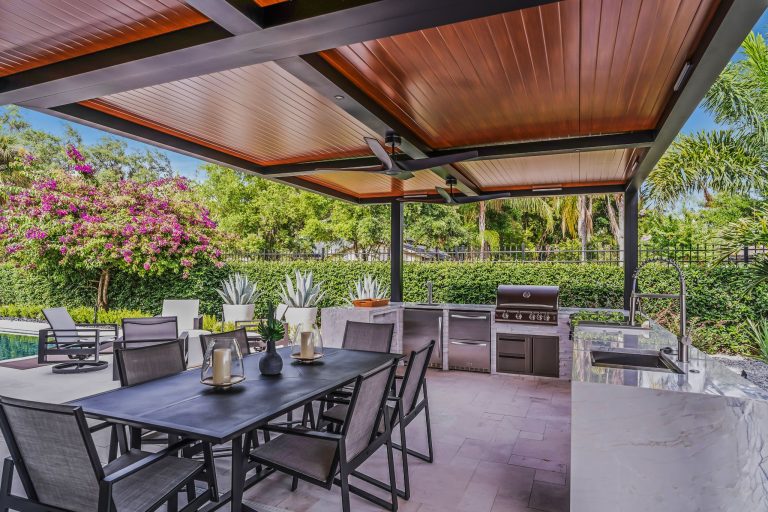
A solid aluminum patio cover delivers full overhead shade — rain, sun, or anything in between. For the portion of your deck you want completely protected (outdoor kitchen, seating area, wet bar), a solid aluminum patio cover is a durable, low-maintenance solution that stands up to Texas weather year after year. Unlike wood, aluminum won’t rot in high-humidity conditions or crack from freeze-thaw cycles in North Texas winters.
Custom Cabanas
For homeowners who want a fully enclosed retreat next to the pool — with walls for privacy, a solid roof for complete shade, and built-in amenities — a custom cabana takes the poolside experience to a different level entirely. Cabanas work especially well for properties with guest houses, HOA amenity areas, or homeowners who entertain frequently. They provide a dedicated changing area, shaded seating, and a weather-protected zone for electronics and furnishings.
What to Consider Before You Choose
Sun Angle and Orientation
Where does your pool sit relative to your house? A western exposure means brutal afternoon sun from roughly 2 PM until sunset — the hottest part of the day. Eastern exposures catch morning sun only, which is far gentler. Your shade structure should be designed with your specific exposure in mind. A motorized louvered roof, for example, lets you adjust blade angle in real time as the sun moves.
Wind and Weather
DFW and Central Texas both sit in severe weather corridors. Any permanent shade structure needs to be built to handle high winds — look for aluminum-frame construction with proper footing and engineered connections. Fabric shade sails, while attractive, tend to fail faster in Texas wind events and require seasonal takedown. Aluminum structures, properly installed, are built to stay.
Size and Layout
The structure needs to be sized to the deck, not the other way around. An undersized pergola covering only part of your seating area defeats the purpose. A good contractor will measure your space, map out traffic flow around the pool, and recommend a footprint that complements the yard rather than cramping it.
Local Permitting
Most permanent shade structures in DFW and Austin require a building permit. Requirements vary by city and county — setbacks from the pool, roof style, and footing depth are all regulated. An experienced local contractor handles this as part of the project, so you’re not navigating city permit offices on your own.
Serving DFW, Austin, and Southern Oklahoma
Cabana Theory designs and installs custom shade structures for homeowners across the Dallas-Fort Worth Metroplex, Austin, and Southern Oklahoma — including the surrounding communities of Frisco, McKinney, Plano, Southlake, Cedar Park, Round Rock, and beyond. Every project is custom-measured and installed by our own crews, not subcontracted out.
Frequently Asked Questions
Can I add shade to an existing pool deck without major construction?
Yes. Freestanding pergolas and patio covers can often be installed with footing systems that don’t require tearing up your existing deck surface. The specifics depend on your deck material, soil conditions, and the size of the structure — a site visit is the best way to assess your options.
Will a shade structure interfere with my pool’s water or equipment?
A well-designed shade structure is placed to protect your seating and lounging areas without blocking access to pool equipment, skimmer baskets, or the pool itself. Good design accounts for these elements from the start.
What maintenance does an aluminum shade structure require?
Minimal. Aluminum doesn’t rust, rot, or require repainting. Occasional cleaning with a hose and mild soap is typically all it takes. The powder-coat finish on quality aluminum structures holds up well to Texas UV and weather for years.
How long does installation typically take?
Most residential pool deck shade projects take one to three days of on-site installation once materials arrive. Permitting timelines vary by municipality — some cities turn permits in a few days, others take a few weeks. We’ll walk you through the expected timeline for your city before work begins.
What’s the difference between a louvered roof and a solid patio cover for a pool deck?
A solid patio cover provides full protection from sun and rain at all times. A louvered roof gives you control — open the slats on a beautiful evening, close them during peak afternoon heat or when rain rolls in. Many homeowners prefer the louvered option specifically because it gives them flexibility throughout the day and across seasons.
We serve DFW, Austin, and Southern Oklahoma. Tell us about your space and we’ll put together a custom proposal — no obligation, no sales pressure.
Get a Free QuoteReady to Transform Your Outdoor Space?
Keep Reading