The Best Plants for a Covered Patio in North Texas Fall
If you have a covered patio in North Texas, fall is your reward season. The brutal DFW summers thin out by October, and suddenly you’re spending real time outside again — morning coffee, weekend dinners, evening wine on the back porch. The right plants can turn that covered space from bare concrete into a true outdoor room.
But planting under a patio cover isn’t the same as planting in open sun. The plants on your covered patio in North Texas need to handle filtered light, heat-radiating hardscapes, and USDA Zone 8a conditions — while still looking great from September through December. Here’s what actually works.
Why Your Cover Changes Everything
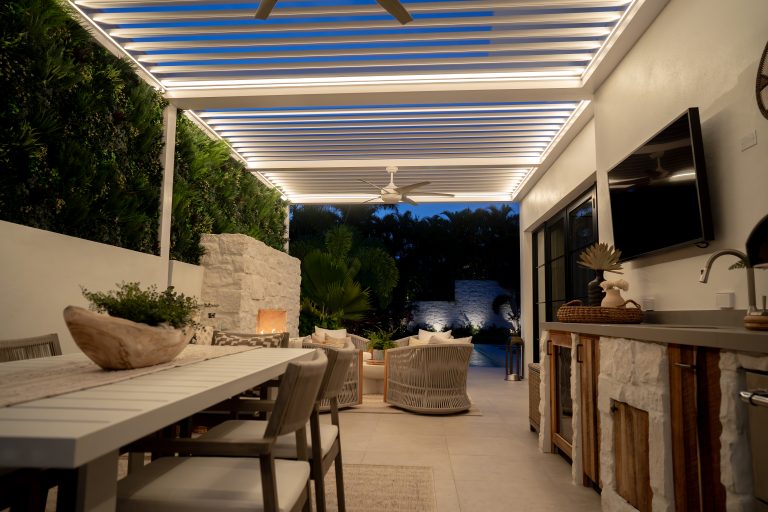
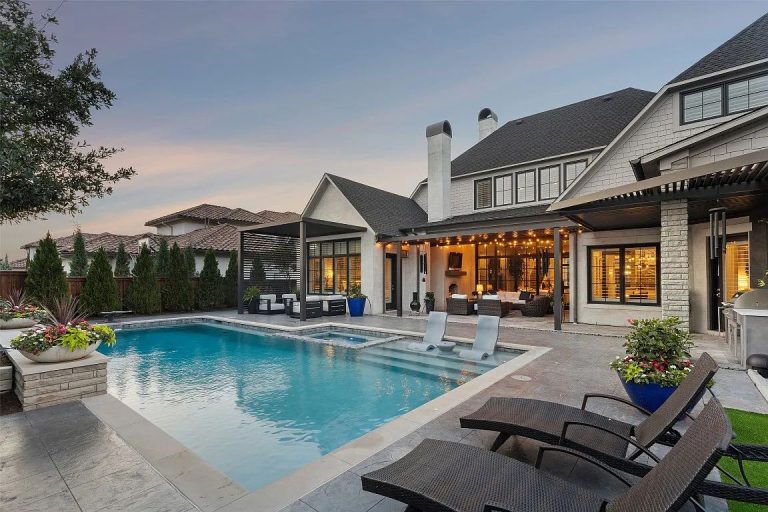
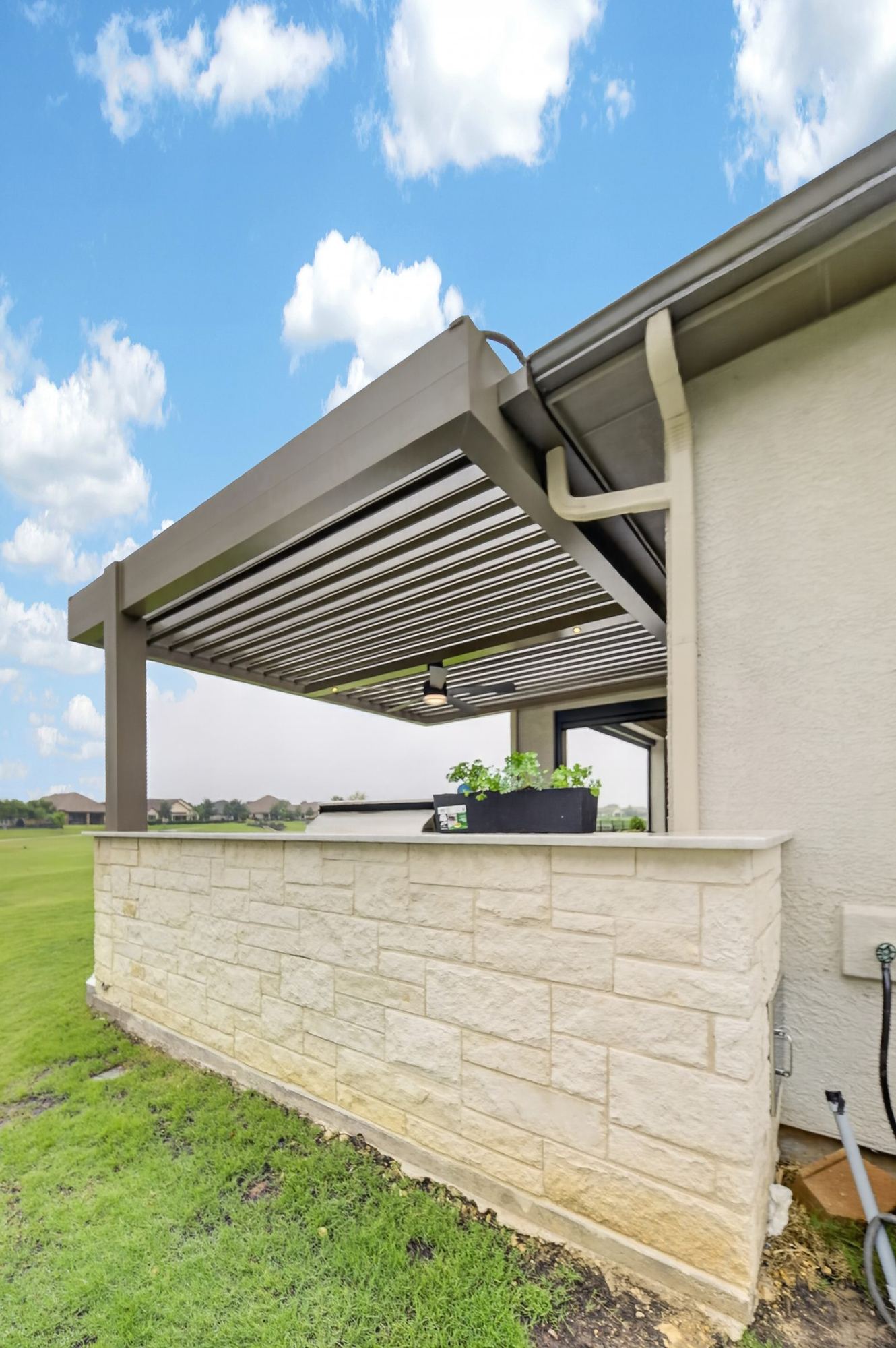
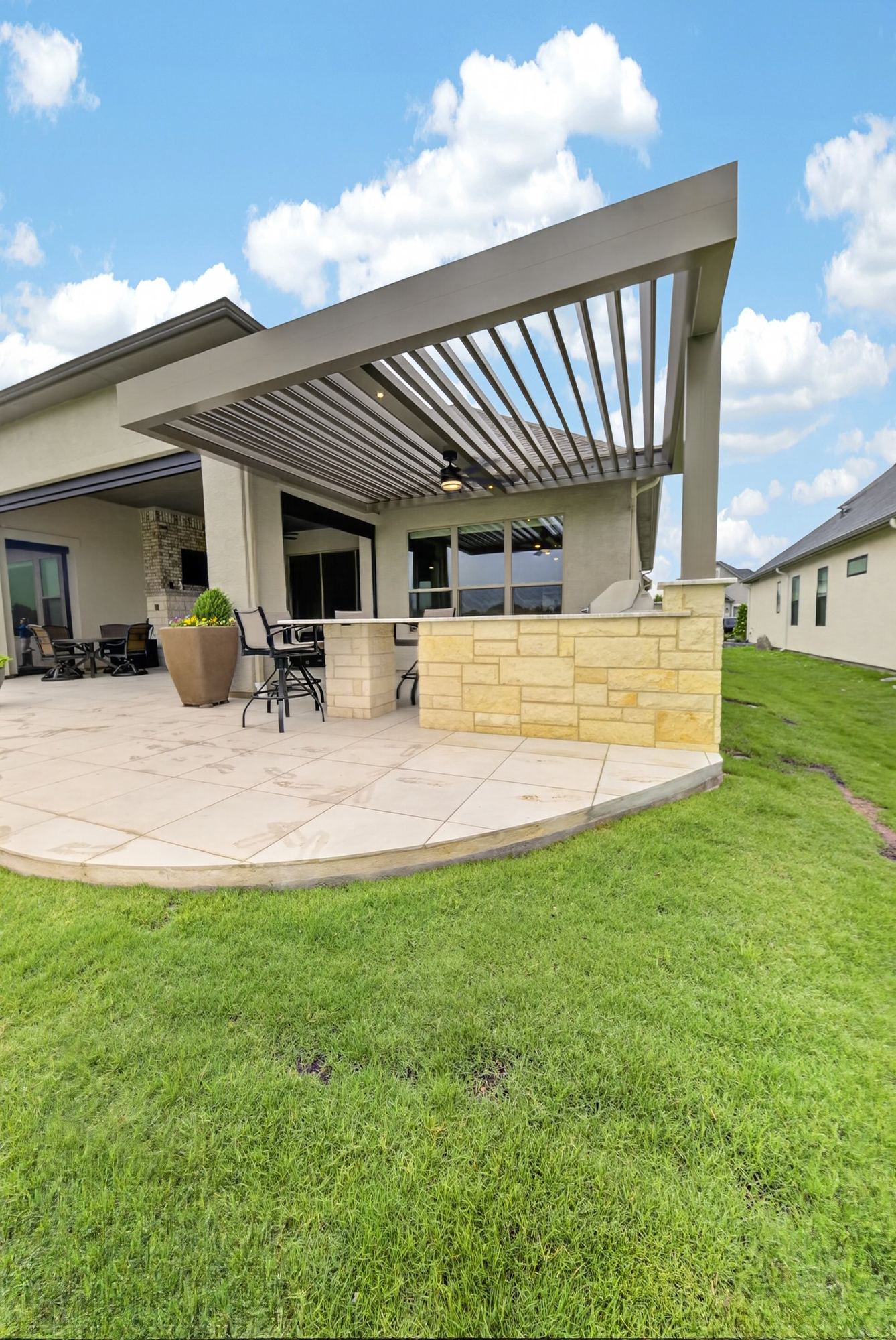
Whether you have a motorized louvered pergola or a solid aluminum patio cover, the structure fundamentally changes what your plants experience. Sun exposure is reduced — how much depends on your cover type — and the microclimate under the structure runs slightly warmer in winter and slightly cooler on blazing afternoons.
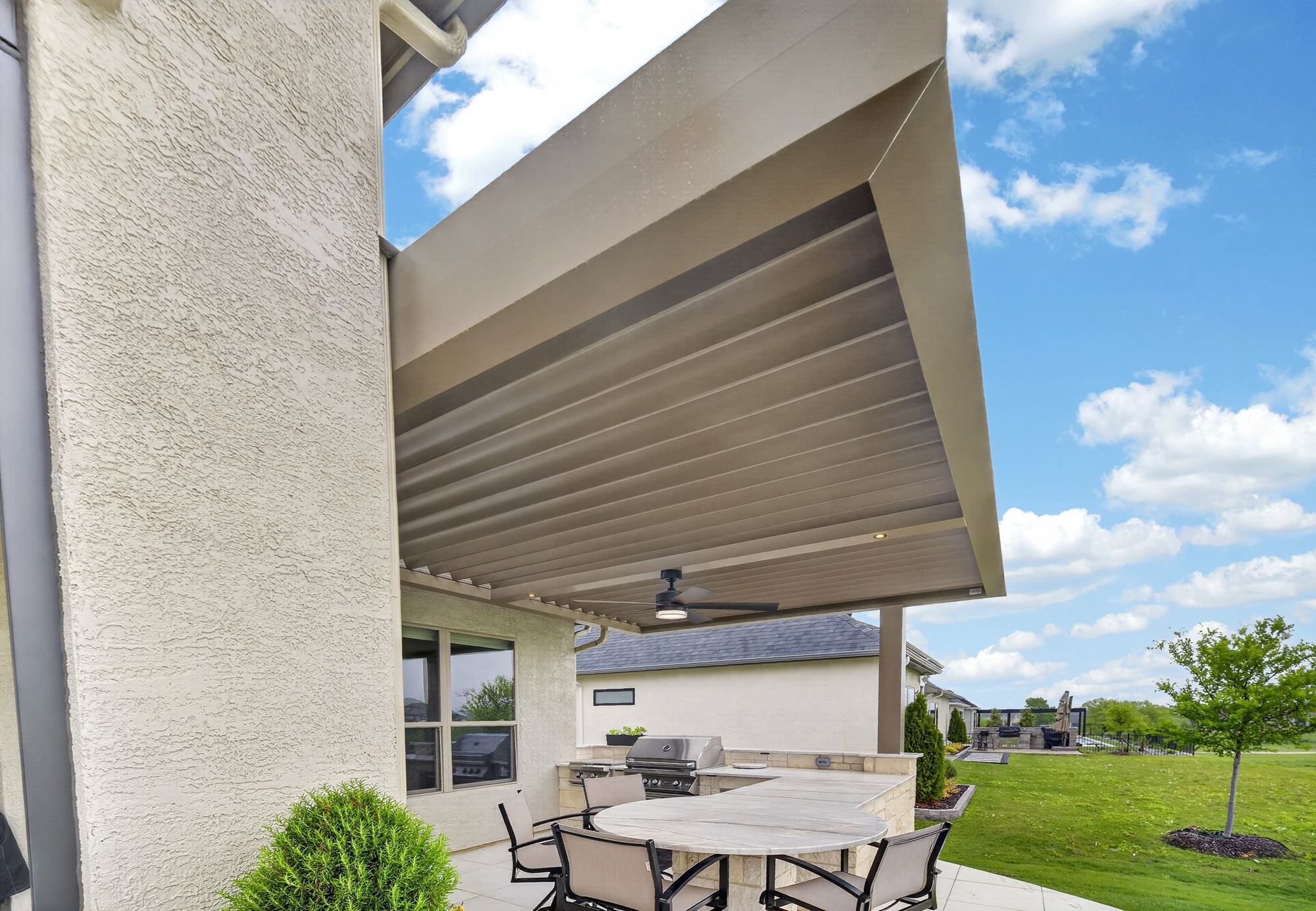
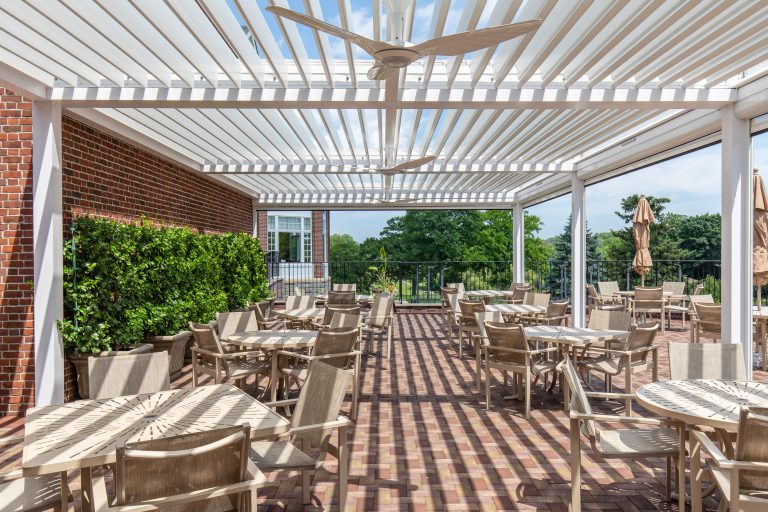
- ✦ Louvered pergolas — adjustable light; open louvers = full sun, closed = deep shade
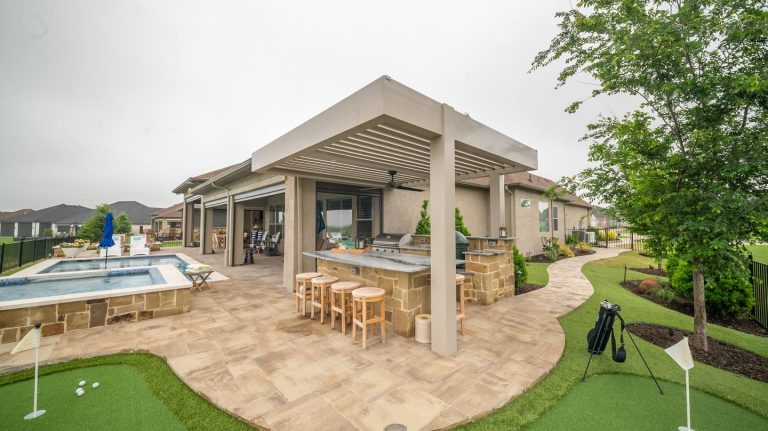
- ✦ Solid patio covers — consistent shade underneath, brighter at perimeter edges
- ✦ Fixed slat pergolas — dappled light throughout, ideal for partial-shade plants
- ✦ DFW’s fall sun angle is lower — even “open” structures cast more shade Oct–Dec
- ✦ Reflected heat from concrete floors and aluminum frames can stress container plants near the structure’s edge
- ✦ Covered patios stay above freezing slightly longer — a genuine advantage for tender fall plants
Fall Annuals That Thrive Under a Cover
These plants tolerate the partial-to-filtered light conditions common under most patio covers in North Texas. All of them perform reliably from September through early December in Zone 8a.
- ✦ Pansies — the classic DFW fall annual; prefer 4–6 hours light, handle light frost, available in every color
- ✦ Dianthus — compact, fragrant, loves the warmth of a covered patio floor
- ✦ Snapdragons — cool-season performers that rebloom aggressively in DFW fall
- ✦ Dusty Miller — silver foliage adds contrast without needing direct sun
- ✦ Violas — smaller than pansies, extremely cold-tolerant, perfect for container edges
- ✦ Ornamental cabbage and kale — architectural texture, actually improves color with cooler temps
Perennials and Shrubs for Year-Round Structure
If you want your covered patio plantings to do more than last one season, anchor your containers and beds with perennials and ornamental shrubs that come back year after year in North Texas — and don’t mind spending the summer under a structure.
- ✦ Cast iron plant (Aspidistra) — nearly indestructible, deep shade, excellent for structure posts and edges
- ✦ Autumn fern — coppery-red new growth, semi-evergreen, tolerates the dry conditions under a patio cover
- ✦ Liriope (Monkey Grass) — edging standard, handles full shade, nearly maintenance-free
- ✦ Knockout roses — plant at the sunny perimeter edge where cover light filters out; bloom October in DFW
- ✦ Gardenias — placed in containers near the perimeter; fragrant spring–fall, protected from hard freezes under cover
- ✦ Dwarf nandina — foliage changes red in fall, tolerates low light, deer-resistant
Container Strategy for Covered Patios
Most covered patio plants in North Texas do best in containers — they’re movable when a hard freeze threatens, and you can rotate seasonal color without replanting entire beds. Here’s how to set up your containers for fall success.
- ✦ Use larger containers — 14″+ diameter; they hold moisture longer in the dry DFW fall wind
- ✦ Add perlite or bark to potting mix — covered patios mean less rain reaches your containers; drainage prevents rot
- ✦ Group containers in threes and fives — odd-number groupings look more intentional than pairs
- ✦ Vary heights — a tall ornamental grass anchor, mid-height seasonal color, low trailing violas at the edge
- ✦ Position light-hungry plants at edges — the perimeter of a fixed slat pergola or louvered structure gets the most light
- ✦ Water more frequently than you think — covered patios can go two weeks between rains with zero moisture reaching containers
What to Avoid Under a Covered Patio
Not every plant that looks great at the nursery in September will thrive under your structure. These are the common mismatches homeowners discover the hard way in DFW.
- ✦ Full-sun mums — fall standard, but needs 6+ hours of direct sun; most covered patios can’t deliver that reliably
- ✦ Tall ornamental grasses — root-bound in containers, can topple in DFW wind; better planted in adjacent ground beds
- ✦ Tropical hibiscus — wants heat and full sun; fine at the sunny perimeter, struggles deep under solid covers
- ✦ Marigolds — require more sun than most covered patios allow; they’ll bloom weakly and get leggy
- ✦ Any plant labeled “full sun” — take those labels seriously; partial-shade labels are your signal for covered patios
Extending Your Season With the Right Structure
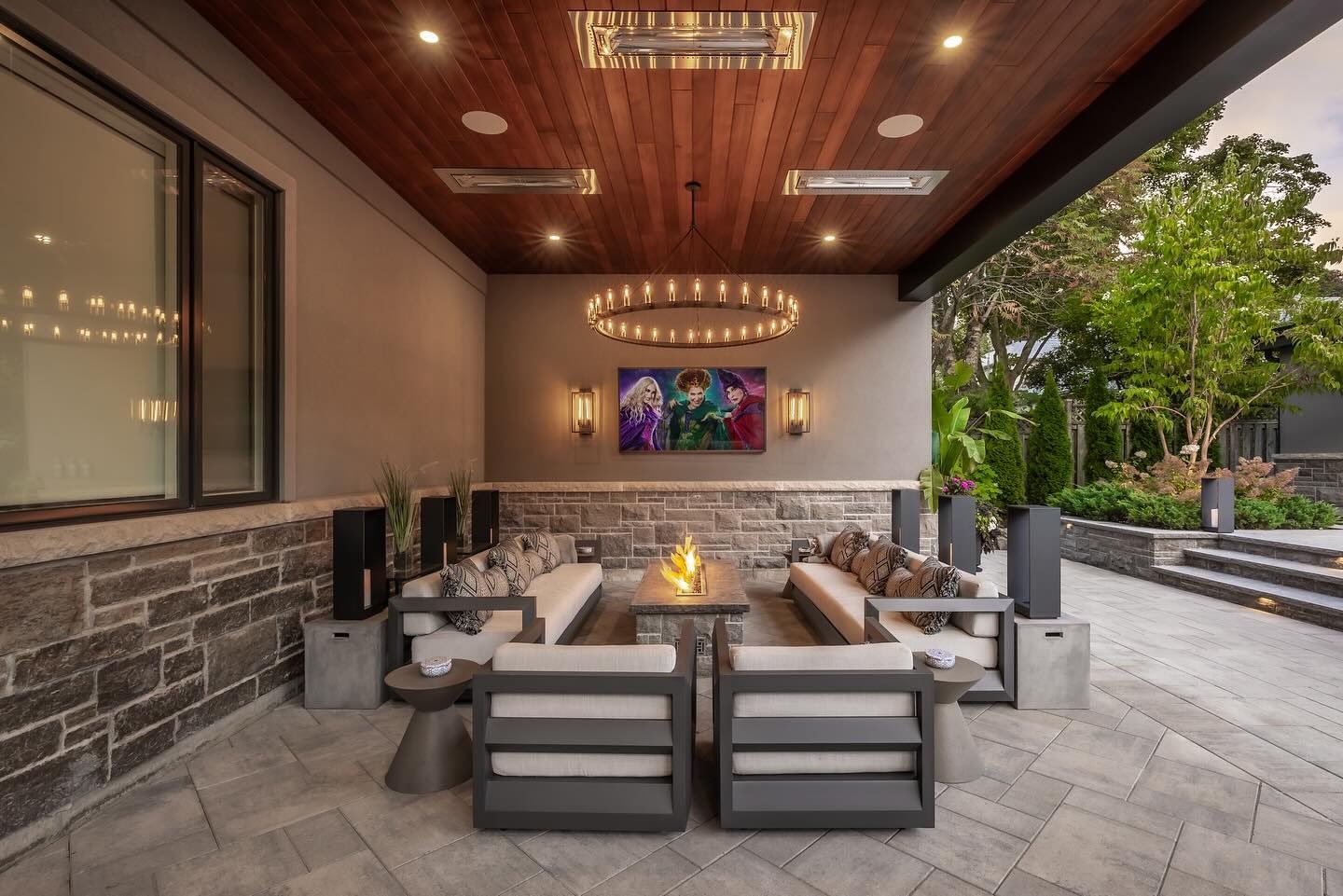
The plants you choose matter, but so does the structure they’re living under. A patio heater under an aluminum cover can push your outdoor season well past what most DFW homeowners experience — protecting tender container plants well into December and giving frost-sensitive perennials an extra few weeks. Outdoor lighting extends your evenings and makes your fall containers visible after dark.
If you’re planning a new covered patio or upgrading an existing structure in DFW or Austin, the structure type matters for plant placement. Motorized privacy screens can also buffer the patio from wind — a real help for tall container plants that get knocked over in DFW’s fall thunderstorms.
Frequently Asked Questions
What are the best low-maintenance plants for a covered patio in DFW?
For low maintenance under a cover in North Texas, start with cast iron plant and liriope as permanent anchors — both tolerate shade and DFW’s clay soil in containers. Add pansies and violas in fall for seasonal color. These require watering but little else, and they’re available at every nursery in DFW from September on.
Can I grow herbs under a covered patio in North Texas?
Some herbs do well under covered patios in DFW — mint, chives, and parsley handle partial shade. Basil, rosemary, and thyme want more sun and are better placed at the sunny perimeter edge of your structure or in an adjacent open bed. In fall, most herbs actually benefit from the frost protection a solid patio cover or motorized louvered pergola provides.
How often do I need to water container plants under a covered patio in fall?
More often than you’d expect. Even with DFW’s fall rain events, covered patios intercept most rainfall before it reaches your containers. In dry fall weeks, container plants under a patio cover may need water every 2–3 days. Check soil moisture 2 inches down — if it’s dry, water deeply. Larger containers hold moisture longer.
Do covered patios protect plants from North Texas winter freezes?
Partially. A solid aluminum patio cover or motorized louvered pergola with louvers closed slows radiant heat loss from the ground, which can keep air temperatures under the structure 2–5 degrees warmer than an exposed area on mild freeze nights. This protects tender annuals on light frost nights. On hard freezes (25°F and below), cover your containers or bring tender plants inside. The protection is meaningful but not absolute.
What’s the best shade structure for a plant-forward covered patio in DFW?
A motorized louvered pergola gives you the most flexibility — you can open louvers to flood the space with light when plants need it, and close them when it rains or gets too hot. Fixed slat pergolas provide consistent dappled light that most partial-shade plants love. For maximum plant versatility, avoid solid covers over the entire planting area — keep plant beds near the perimeter where they can catch light from the sides.
READY TO BUILD THE PERFECT OUTDOOR ROOM?
Cabana Theory designs and installs aluminum pergolas, patio covers, and shade structures across DFW and Austin — built to complement how you actually use your outdoor space.