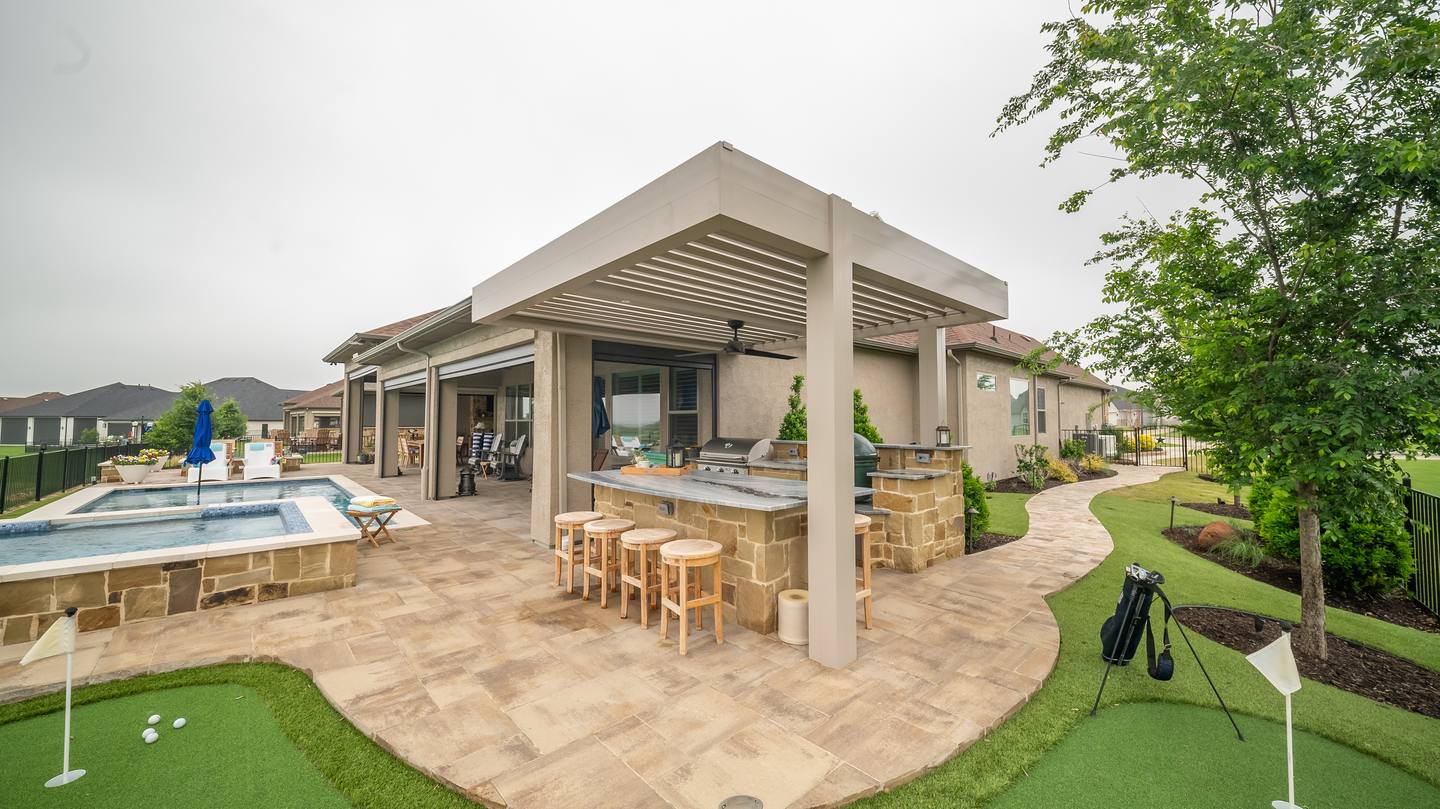
Aluminum vs. Wood Patio Covers in Texas: What DFW Homeowners Need to Know
In Texas, the choice between aluminum and wood patio covers isn’t just aesthetic — it’s a durability question. North Texas heat, intense UV, humidity, and occasional ice storms punish outdoor structures differently than milder climates. Here’s what DFW homeowners need to know before choosing a material.
How Texas Weather Affects Your Patio Cover Material
Dallas–Fort Worth summers routinely exceed 100°F, with intense UV exposure for months at a time. Humidity swings between dry and humid depending on the season. Winters bring occasional ice storms and freezing rain. These conditions cycle through expansion, contraction, moisture, and drought stress — conditions that accelerate the degradation of natural wood while having minimal effect on aluminum.
Wood under these conditions warps, cracks, fades, and can develop rot or mold — especially in covered areas where moisture collects. It also faces a risk unique to North Texas: subterranean termites, which are widespread in Denton, Collin, and Tarrant counties. Aluminum has none of these vulnerabilities.
Aluminum Patio Covers: Built for Texas
- Won’t rot, warp, rust, or crack — regardless of Texas heat, UV, or moisture
- 25–40+ year lifespan with commercial-grade construction
- Powder-coat finish holds UV color — no fading, no repainting
- Zero annual maintenance — no sealing, staining, or treatment required
- Termite-proof — aluminum gives termites nothing to eat
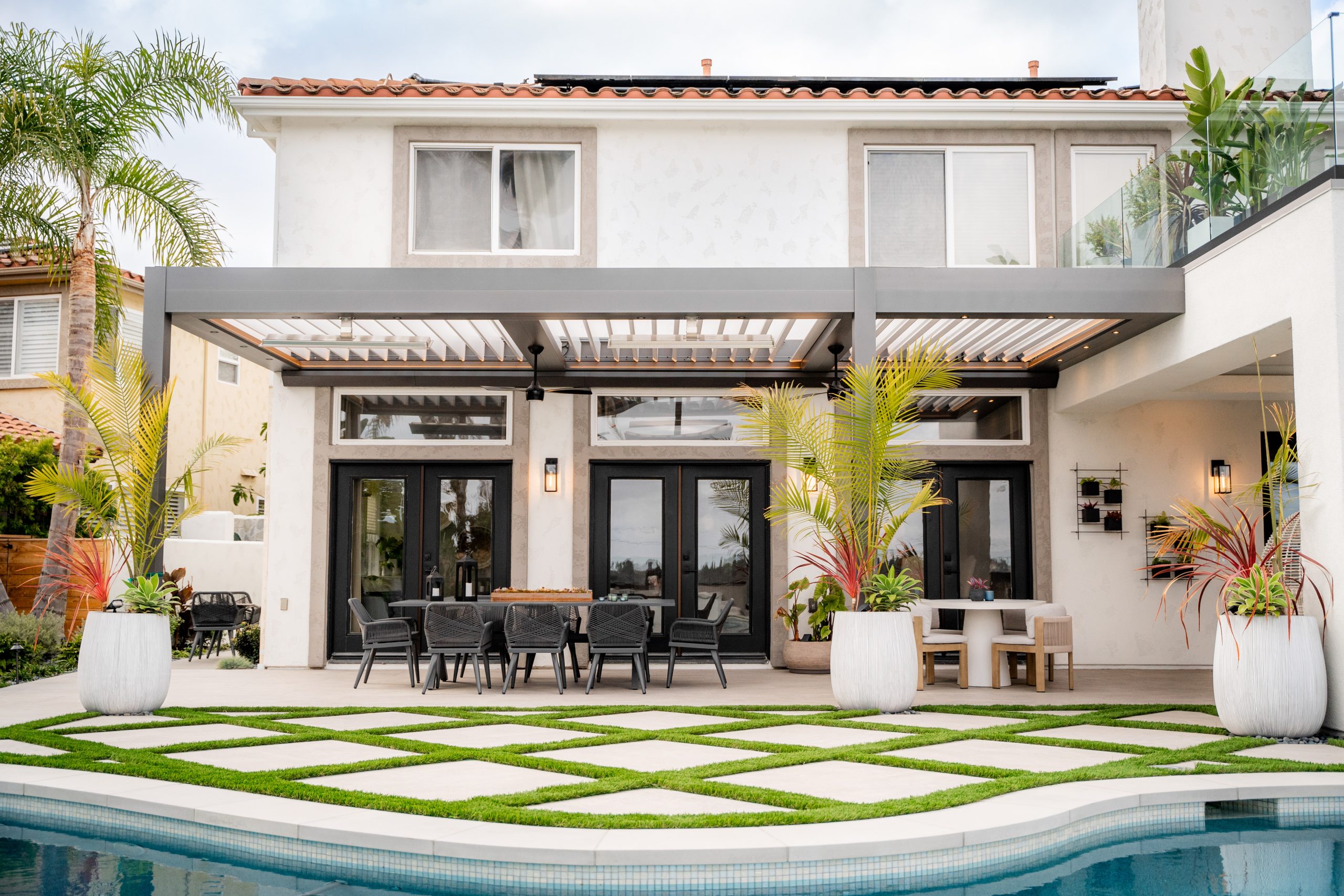
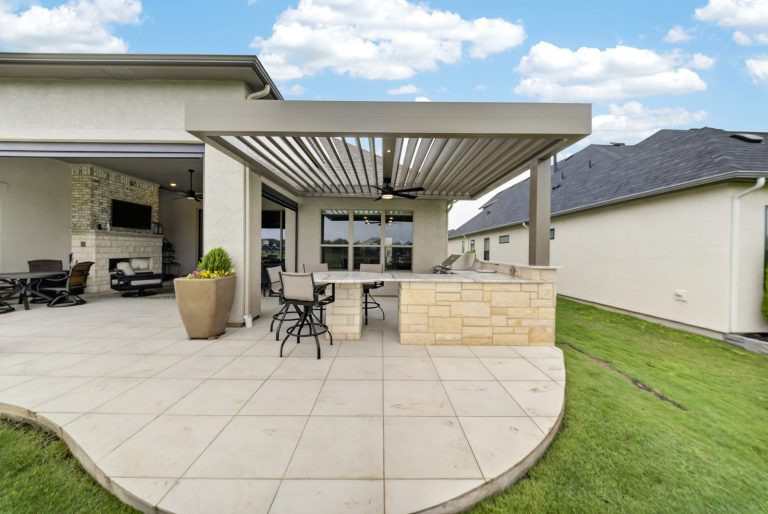
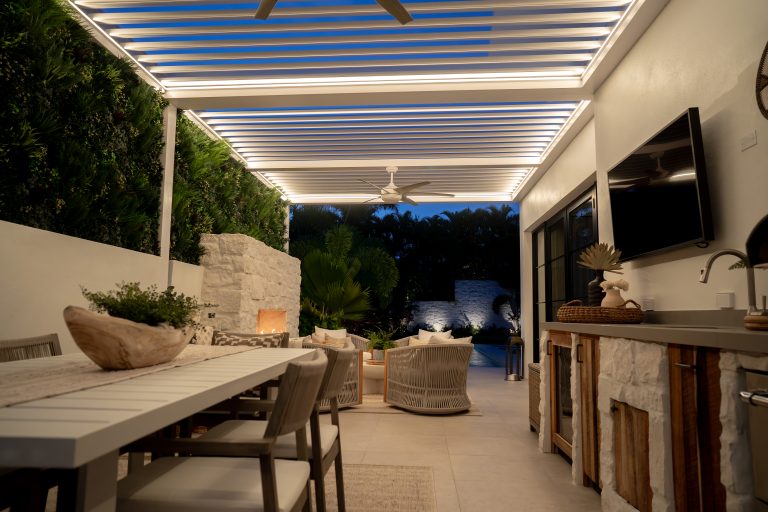
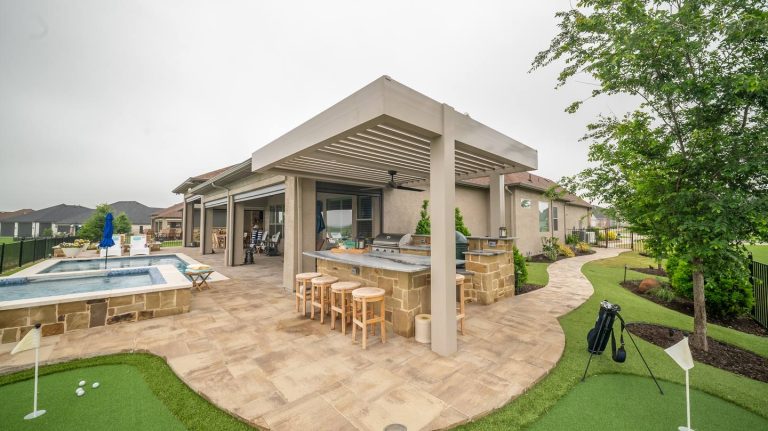
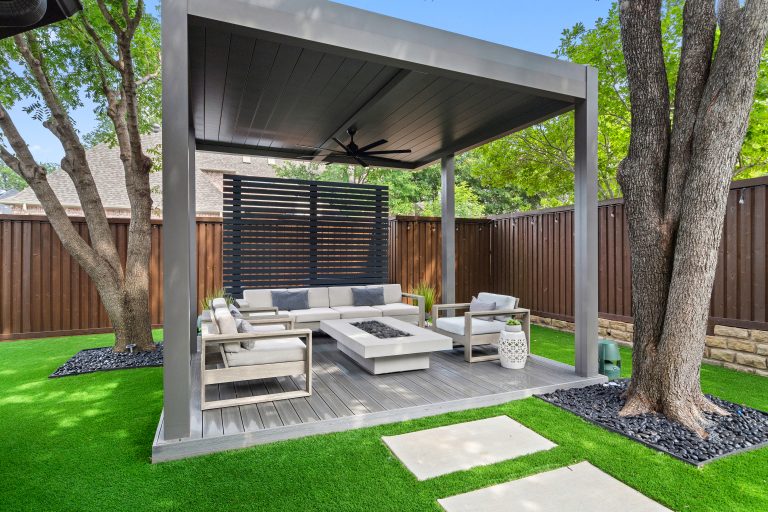
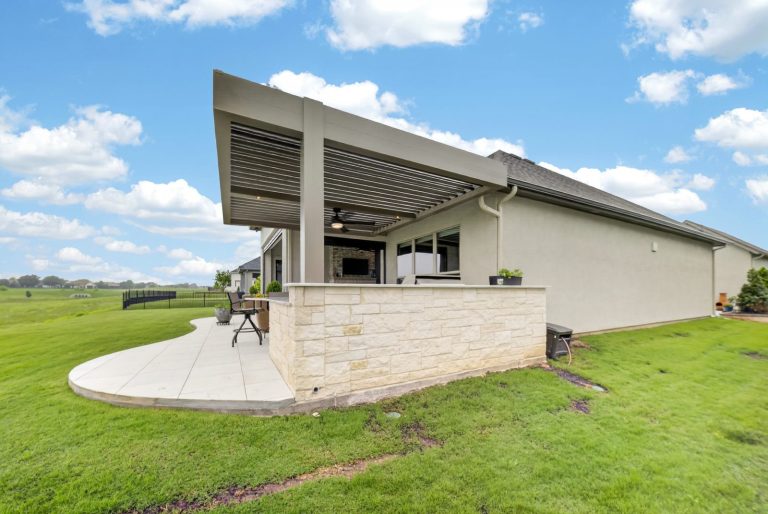
- Modern, architectural aesthetic — clean lines that complement contemporary DFW homes
- Available in commercial-grade spec — same material used for HOA and hotel pool structures
Wood Patio Covers: Where They Work and Where They Don’t
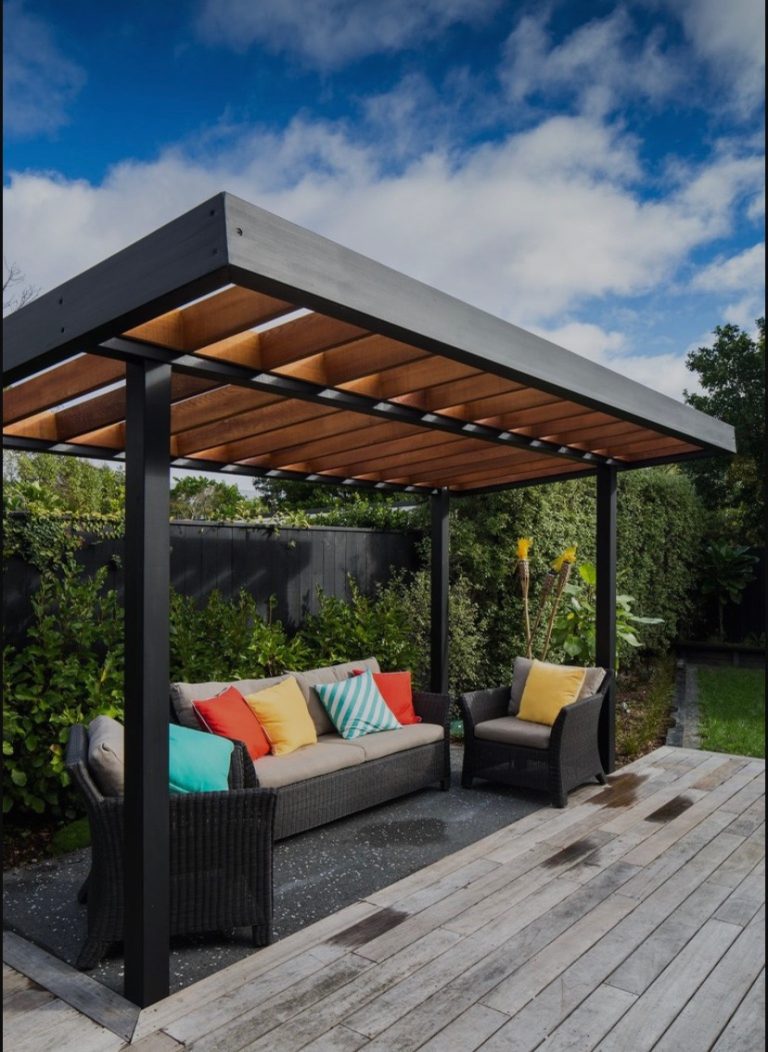
Wood has genuine appeal. A well-built cedar or redwood patio cover has warmth and character that aluminum doesn’t replicate. For rustic Hill Country aesthetics, craftsman-style homes, or homeowners who actively enjoy outdoor maintenance, wood can be the right call.
But in North Texas specifically, wood requires sealing or staining every 1–3 years to prevent moisture damage. Left untreated in the DFW climate, wood structures typically show significant degradation within 5–10 years. Lifespan is typically 10–20 years with proper upkeep vs. 25–40+ for aluminum — and the long-term maintenance costs of wood often exceed the upfront savings.
Aluminum vs. Wood: Side-by-Side Comparison
| Factor | Aluminum | Wood |
|---|---|---|
| Lifespan | 25–40+ years | 10–20 years (with maintenance) |
| Maintenance | None required | Seal/stain every 1–3 years |
| UV Resistance | Excellent — powder coat holds color | Fades without treatment |
| Termite Risk | None | Moderate to high in DFW |
| Weather Performance | No rot, warp, or crack | Warps and cracks in TX heat |
| Appearance | Modern, architectural, consistent | Warm, natural, traditional |
| Long-Term Cost | Lower — no maintenance spend | Higher — ongoing treatment + eventual replacement |
What About Insulated Aluminum Patio Covers?
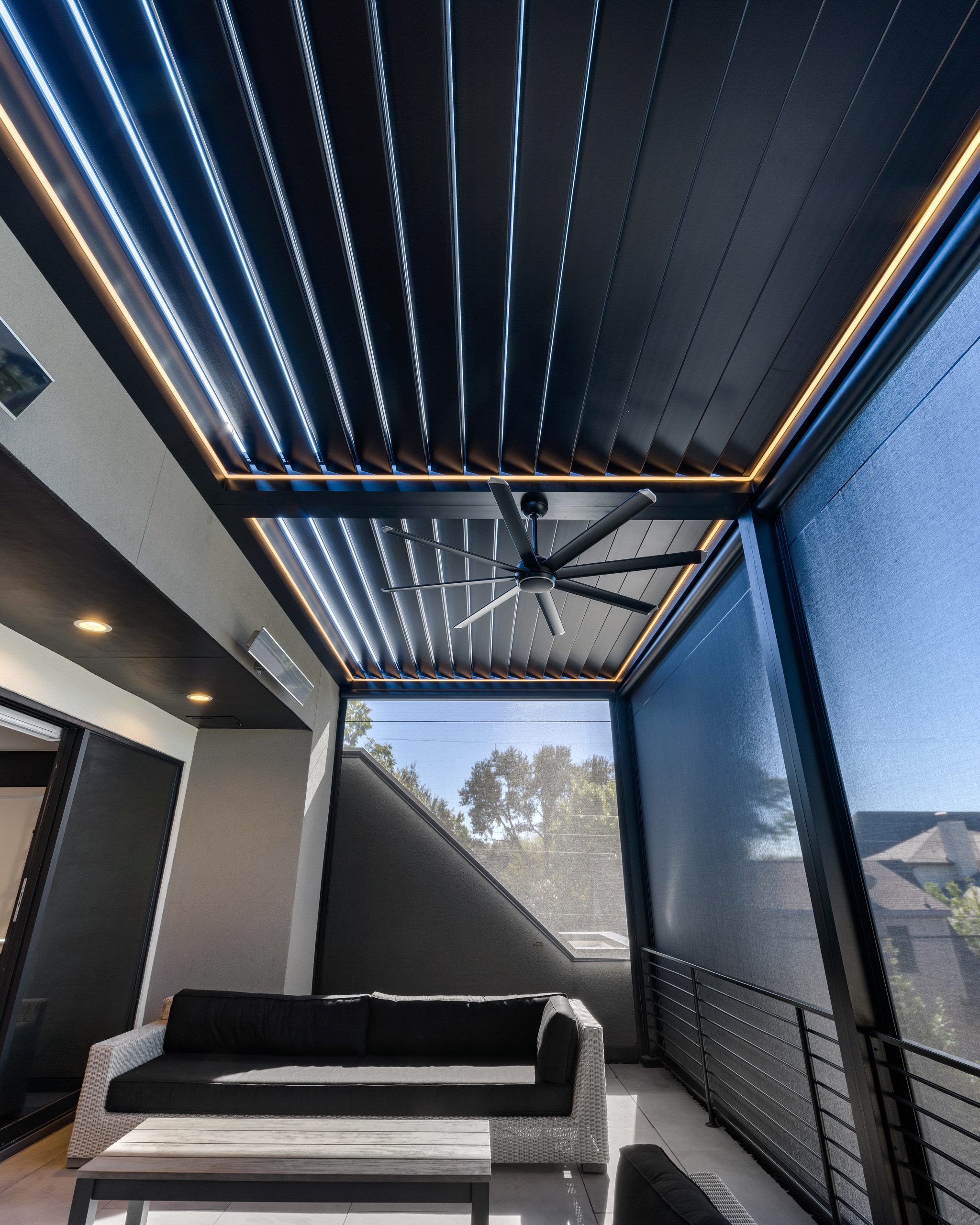
Insulated aluminum panels add a thermal core between two aluminum skins — the result is a noticeably cooler surface underneath during Texas summers. For back patios adjacent to the house, insulated panels are a popular upgrade that also reduces heat transfer into the home. Cabana Theory builds both solid and insulated aluminum patio cover options.
The Bottom Line for DFW Homeowners
If low maintenance and longevity are the priorities — and for most Texas homeowners they are — aluminum wins. It outlasts wood by decades without touching it. For HOA communities, commercial properties, and anyone who doesn’t want to think about their patio cover again for 30 years, aluminum is the clear choice.
If you want a rustic or natural aesthetic and are willing to maintain it, wood has its place. But go in with eyes open about what North Texas weather will do to it over time.
Frequently Asked Questions
Does aluminum look as good as wood?
Modern aluminum patio covers have a clean, architectural aesthetic that pairs well with contemporary and transitional-style homes common in DFW. They don’t replicate the warmth of natural wood grain, but they offer a premium, consistent finish that holds its appearance for decades without fading or weathering.
Is aluminum more expensive than wood upfront?
Commercial-grade aluminum structures are typically comparable to or slightly higher than quality wood upfront. However, when you factor in zero maintenance cost over 25–40 years vs. annual sealing/staining and eventual wood replacement, aluminum almost always costs less over the life of the structure.
Do aluminum patio covers get hot in the Texas summer?
The roof surface can get warm, but the underside — where you’re sitting — stays in shade, which is significantly cooler than direct sun. For maximum thermal comfort, insulated aluminum panels reduce heat transfer further. Adding a ceiling fan under the structure makes a dramatic difference in Texas summer comfort.
Can I get an aluminum patio cover that looks like wood?
Some aluminum systems are available with wood-grain powder-coat finishes that mimic the look of timber from a distance. Ask about finish options during your free consultation — Cabana Theory can walk you through the available color and texture options.
Ready to Transform Your Outdoor Space?
Keep Reading